India Dominate Historic Match

An account of how the first women’s test match to be staged at Lord’s panned out and a photo gallery.

Just after 12:30 UK time Sneh Rana bowled Sophie Ecclestone who had fought hard to complete her maiden international half century and England were all out for 186 in their second innings, giving India victory by 270 runs in a match they had dominated pretty much from start to finish. This post looks back at the developments in the later stages of the match.

India led by 115 on first innings, and by the end of day two had extended that by a further 154 runs for the loss of Shafali Verma. Although Sophie Ecclestone toiled hard for England and was ultimately rewarded by becoming the first English woman to gain a place on the test match honours board at Lord’s India were always in control, and Yastika Bhatia became the first woman to get on the batting honours board at the ground when she reached her maiden international hundred. Later, when the only question was exactly when India would opt to declare Richa Ghosh racked up a rapid half-century. It was her getting to that landmark that heralded the declaration at 341-7, 456 ahead. This was over 200 more than any side had made in the fourth innings to win a women’s test match, and 38 more than the men’s all time record of 418. Ecclestone’s final figures deserve a mention: 33.3-4-118-5. Lauren Bell was highly economical, but Lauren Filer leaked runs at over five an over while going wicketless, and Issy Wong, also wicketless, was nearly as expensive.

This day saw two announcements that for my money should not have been made at such a time. I have some sympathy with Heather Knight’s snap decision to join Tammy Beaumont in international retirement, but the announcement of this decision was definitely mistimed. The other big announcement was inexcusably timed on the part of the ECB: they chose the penultimate day of this historic women’s test match to reveal that they had axed Brendon McCullum as coach of the men’s test side. This was an announcement that should definitely have been held back until after this match had been completed. We should have been hearing about this on Wednesday, no matter that it happened on Sunday.

The England innings had a shocking start when Tammy Beaumont in her last international innings suffered the only golden duck of her great career, bowled by an absolute beauty from Kranti Gaud. The Indians gave Beaumont a guard of honour as she left the field for the last time in international cricket. That brought the other retiree, Knight, to the crease. It was the other opener, Maia Bouchier, who was next to go, pinned LBW by the other Indian new ball bowler Sayali Satghare for 2. Off spinner Sneh Rana clean bowled England skipper Sciver-Brunt for 11 to make it 23-3. Fourth out was Knight, caught by Ghosh off Gaud for 13. Alice Capsey and Amy Jones showed signs of fighting spirit until Satghare found a way through Capsey’s defences, bowling her for 21. That brought in Mady Villiers, whose off spin had certainly been less effective than Charlie Dean’s would have been. Villiers did bat decently, but just before the close a freak catch by Ghosh did for her. Villiers hit a ball from Rana fiercely, Ghosh, close in at mid off, grabbed at the ball as it was passing her and it stuck. That was 126-6, and by the end of day three Jones and Ecclestone had added another four runs to the score.

The powers that be had got one thing right yesterday: they had announced that admission would be free today, which meant that decent numbers showed up for what could end up being very little cricket. That eventuality gained in probability when Amy Jones was caught by Verma off Rana for 54 to make it 135-7 very early on. Jones had scored two fifties in the match, the first keeper to do so in a women’s test match, and at the time she was out they were the only two fifties for England in the match. Wong, who had had a poor time with the ball in this match, showed some heart by holding out for 33 balls in support of Ecclestone until Deepti Sharma bowled her for 1. That was 157-8, and not very long later it was 159-9, with Lauren Bell bowled by Sharma for a ten ball duck. Lauren Filer was in serious jeopardy of losing her wicket three times in her first five balls, but settled in to support Ecclestone who was batting well. Ecclestone’s innings included that rarity, an all-run four. This meant that when she reached 50 off her 61st ball care was needed – although there were seven fours in her 50 runs only six of them were actually boundaries (veteran commentator Alison Mitchell, from whom mistakes are usually rarer than hens teeth, was caught out by this detail). Then came Sneh Rana’s match ending delivery, and it remained only to settle Player of the Match. There were three candidates: Gaud for her five cheap wickets that tore apart the first England innings plus the scalps of Beaumont and Knight early in the final innings to put England right on the back foot; Bhatia for that century and her wicket keeping, and Mandhana who had scored twin fifties opening the batting for India. It was Kranti Gaud, who, rightly in my opinion, got the verdict.

My usual sign off…

History at Lord’s

A look at developments in the first women’s test match ever to be played at Lord’s, a video and a photo gallery.

Yesterday morning a test match between the England and India women’s teams, at Lord’s, the first time a women’s test match has been played at that ground (a mere 89 years behind the other big London ground, The Oval, which staged the final match of the 1937 Women’s Ashes). With many ex-players present for the great occasion (from former world cup winner Alex Hartley, in her 30s and part of the commentary team as well to Enid Bakewell, some five decades older and still in full possession of her faculties) England won the toss and opted to bowl first. This post looks at developments so far in this match.

For much of the day it looked as though India were headed for big score, but in the end they were held to 285. Sophie Ecclestone took the last three wickets in the space of six balls, in the process going past Katherine Sciver-Brunt to become England’s leading all format wicket taker. She is also the leading test wicket taker among current England bowlers, and sits third in the all time all format wicket takers list behind two Indians, the retired Jhulan Goswami and Deepti Sharma, also playing in this match (contributed a 50 to the Indian cause). Goswami’s record will be going in the not too distant future to one or other of these contemporary greats. Ecclestone is the younger of the pair, 27 years old to Deepti Sharma’s 28.

By the end of day one England had lost veteran opener Tammy Beaumont, whose last international match this will be. They started very badly today, with overnight batters Bouchier and Knight departing quickly, and being followed in short order by Capsey. Amy Jones struck an aggressive 50 before being caught by Ghosh off Sneh Rana. Then Kranti Gaud, with three wickets already to her name already pinned England skipper Natalie Sciver-Brunt plumb in front. Because of the desperate situation the decision was sent upstairs, but it was definitively out – crashing into middle stump. That was 142-6. Ecclestone was eighth out caught behind off Sayali Satghare for 11. Shortly after that Gaud was recalled to the bowling crease, and became the first woman to claim a place on a test match honours board at Lord’s when a superb catch by Shafali Verma accounted for Lauren Bell. Her figures at that juncture were Gaud 15.2-6-33-5. Had she taken the tenth wicket of the innings and conceded 12 or fewer runs doing so she would have had the best innings figures by a woman in any international match at Lords, beating the 6-46 taken by Anya Shrubsole in the 2017 ODI world cup final. As it happened the final wicket, that of Lauren Filer, fell to Deepti Sharma, so Shrubsole’s record figures stand for now (when it comes to bowling figures in cricket the number of wickets is considered paramount, and it is only when considering hauls of the same number of wickets that the number of runs conceded becomes relevant). As it was Gaud, with final figures of 17-7-37-5 had been instrumental in securing her side a first innings lead of 115, which is likely to prove a match winning lead. Kranti Gaud is 22 years old, and as recently as 18 months ago she was not even on the Indian selectors’ radar. The other England v India match today, a men’s T20 at the Hampshire Bowl near, but crucially not actually in Southampton. got underway half an hour behind schedule due heavy traffic causing the Indian team to arrive late. That match is in its early stages, but not showing any great sign of ending the Indian men’s horror tour which has seen them reach this point with five defeats and a no-result to show for their endeavours.

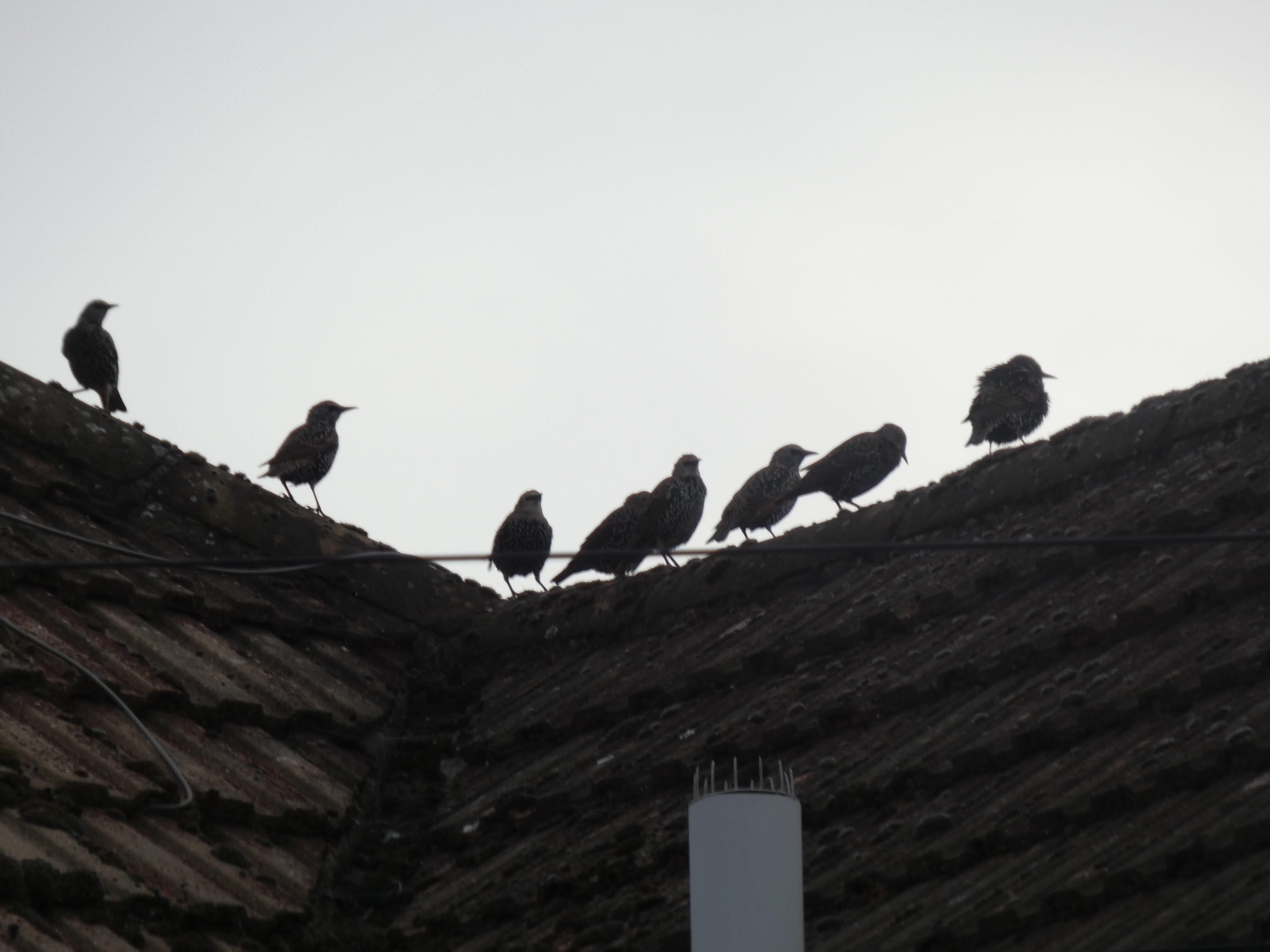
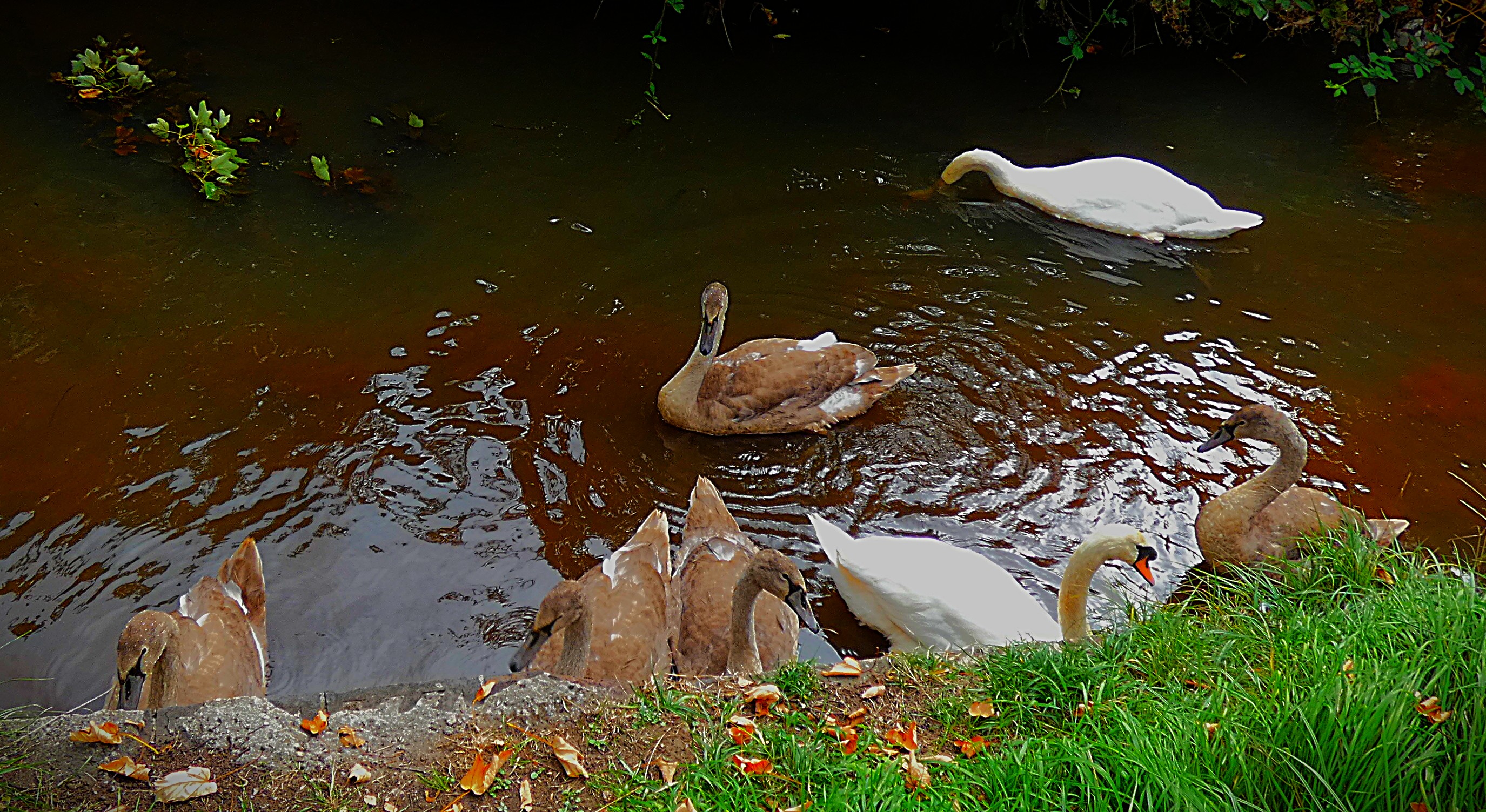
We start with a short video of a small hedgehog which was in the grass at Kettlewell Lane Park this morning:

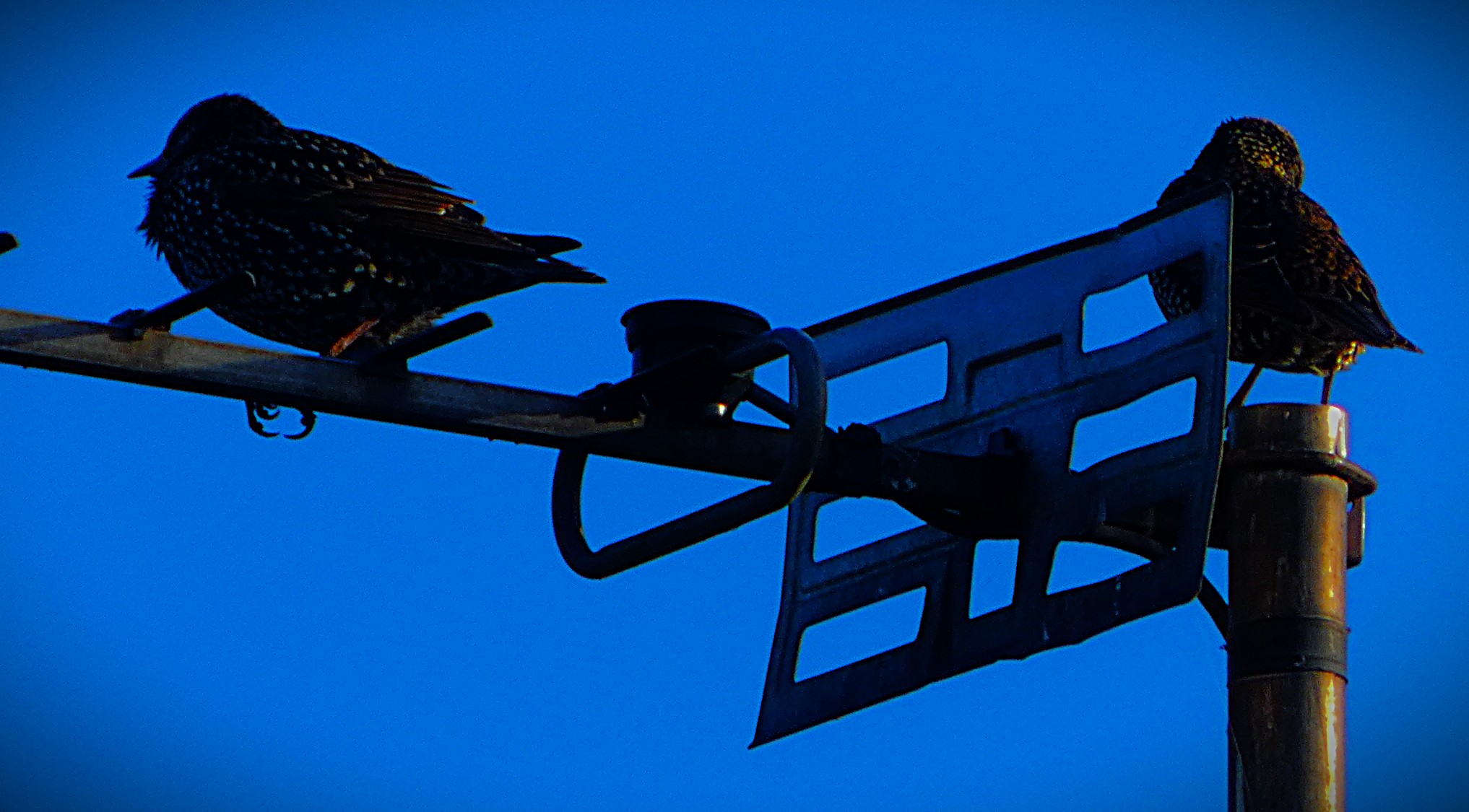
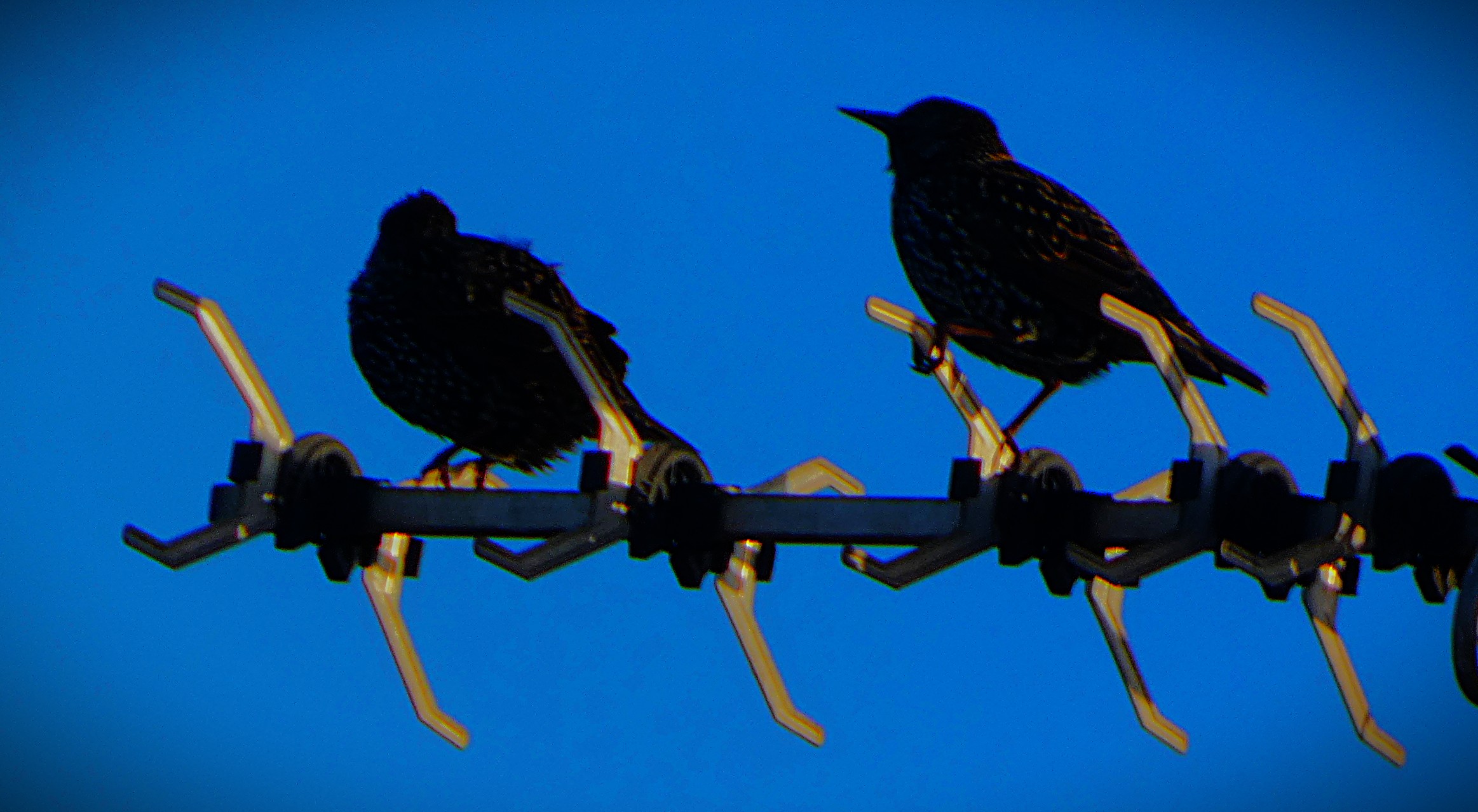
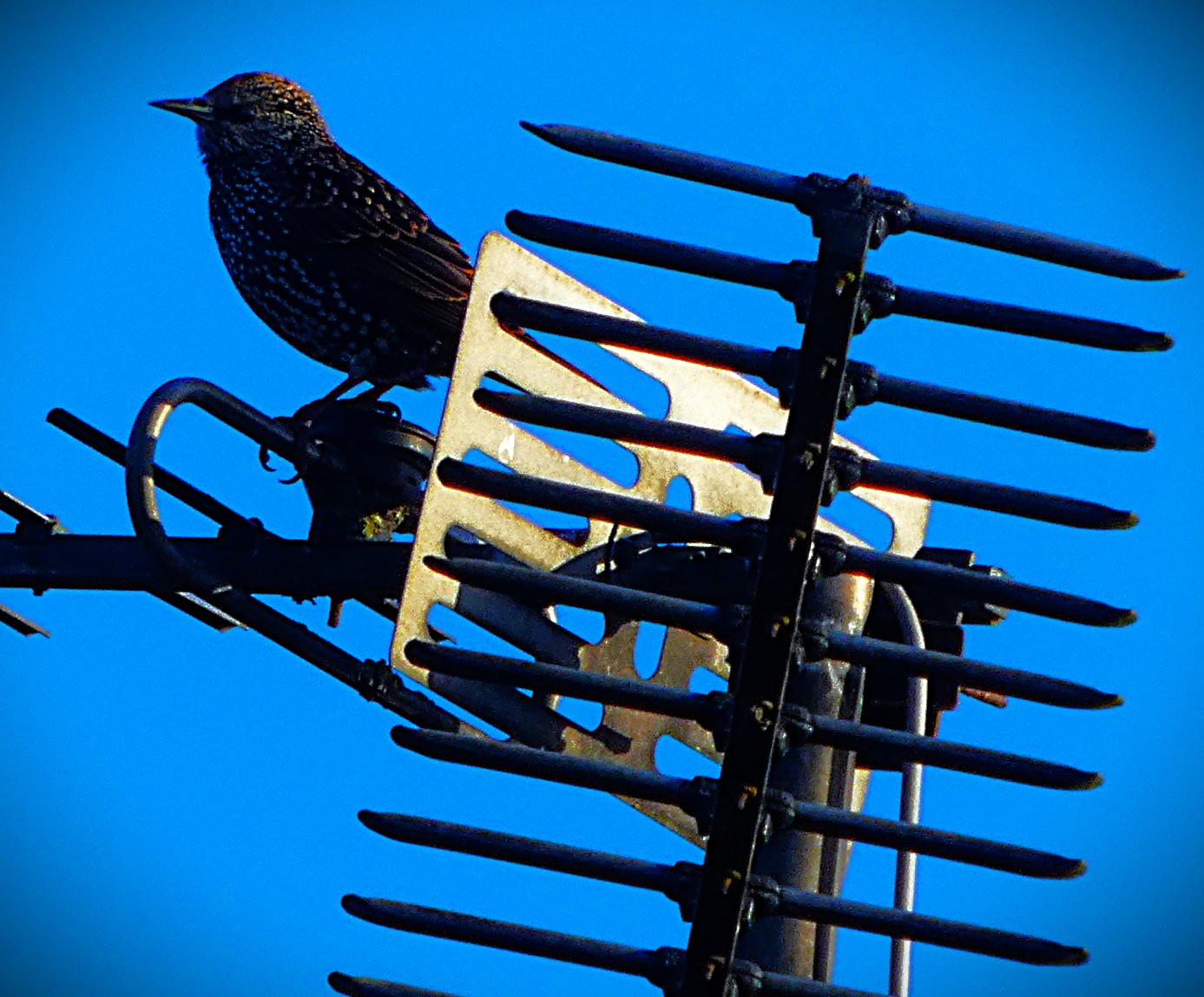
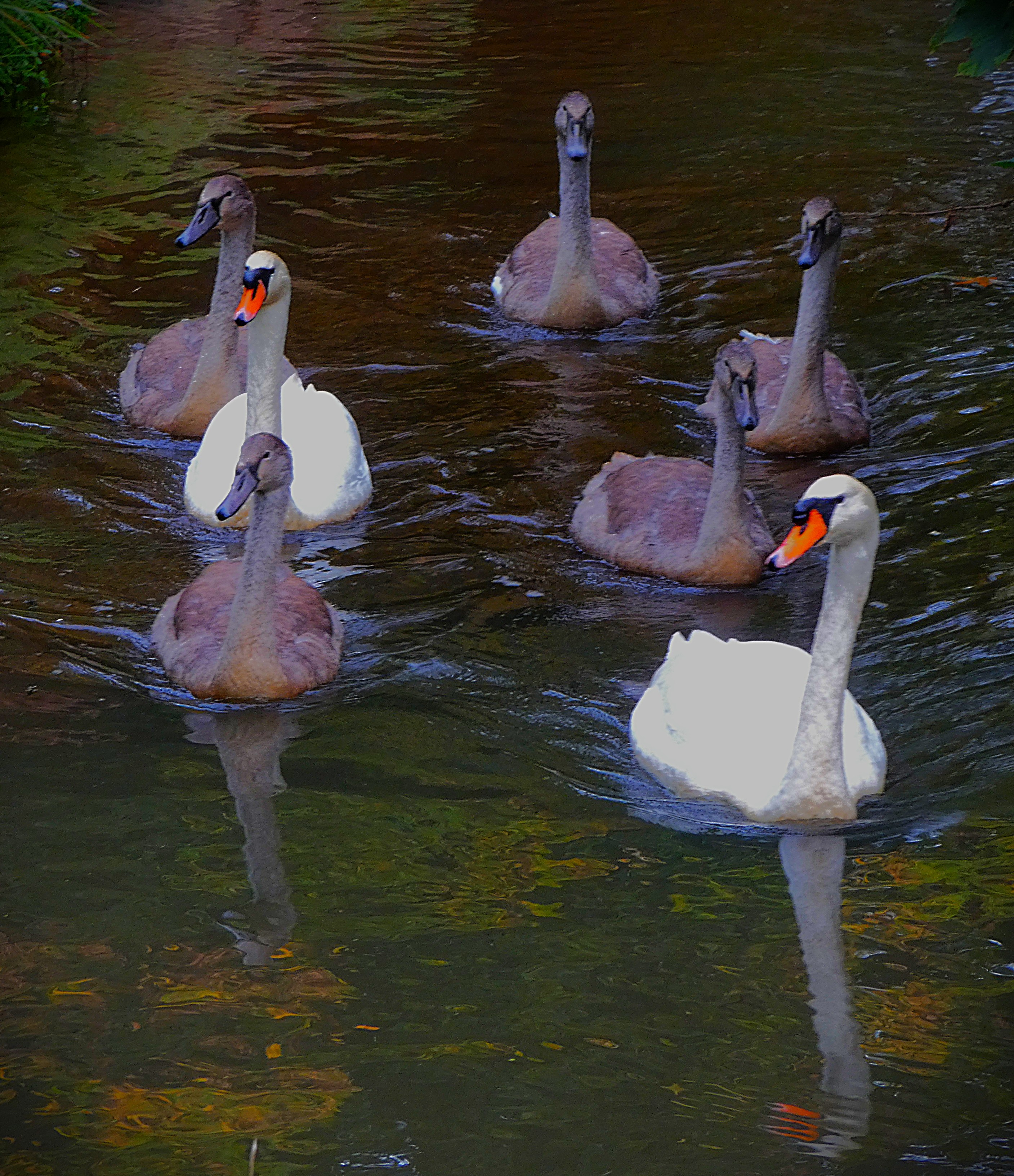
Now for the photos…

Iyer’s Insipid India

A look at the Indian men’s cricket team’s visit to Ireland and England, the latter part of which i s still in progress, a link to a chronological listing of my ‘Arisaig 2026’ posts and a photo gallery that is basically a highlights package of the last month.

I completed my series about my Scottish holiday on Wednesday, and have today created a page which lists all the posts in that series in chronological order. I now move back to the present. The Indian men’s and women’s cricket teams are both in England at the moment, with the latter playing their first ever test match, at a venue (Lord’s) whose pavilion was barred to women within the lifetimes of some of the players. I will have much to say about that match in due course, but as today is day one I look instead at the doings of the men’s side who have been playing T20Is (20 overs per side international matches) in Ireland now England.

Ireland have a bit of a tradition of embarrassing theoretically more illustrious opposition, going back as far as 1969 when they caught a visiting West Indies side on a very green pitch and rolled them for 25. They have added India to their scalp bags. Their victory in the opener might have been put down as a fluke, or to India being unfamiliar with Irish conditions, but when they repeated the dose in the second and last match to win the series it looked like India had major problems.

From Ireland India travelled east to England for a five match series. India had put up a good total in the first match when rain intervened and washed the rest of the match out. Three more matches have been played since then, and England have bossed all three. The most recent took place yesterday evening, and showcased most of India’s problems, with one exception – until last night Shreyas Iyer, recently promoted to the captaincy had done little with the bat since taking the reins. Last night he batted beautifully, scoring an unbeaten 80 from 49 balls. The problem was that his team mates combined to score a mere 78-7 from the 71 balls he did not face in the innings, a truly abysmal rate of scoring for this format. That total of 158 did not look likely to pose a threat to a confident England side, and in the end it was made to look an almost comically bad one. Harry Brook led the rampage with 79 not out from just 35 balls, while Phil Salt was also in brutal form. In the previous match India had bowled first, seen England score 201 and responded to a stiff challenge by slumping to 76 all out and defeat by 125 runs. With the final match of the England leg of this tour to take place at 2:30PM tomorrow India’s record for the trip stands at five defeats and one washout – and although at the time of the washout I thought they had been favourites to win that match their subsequent efforts suggest that actually England would have chased that one down as well. I have an idea as to the root cause of India’s problems on this tour: the IPL happens in (generally) small grounds on incredibly flat tracks, where scores of 250 in 20 overs are not uncommon and bowlers are seen as merely providing the deliveries to be hit for yet another succession of sixes, while the pitches in Ireland and England although good for batting have not left the bowlers completely out of things. Indian T20 batters tend to struggle in anything other than conditions tailor made for them, while the bowlers have grown unused to being significant factors.

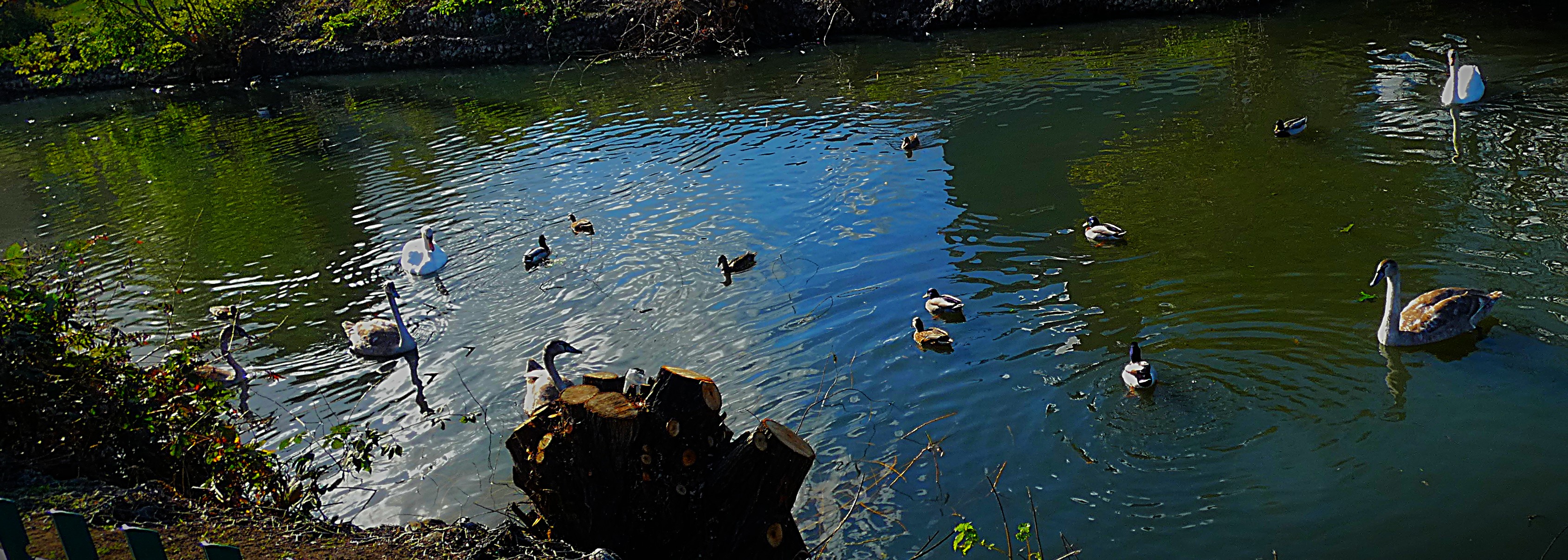
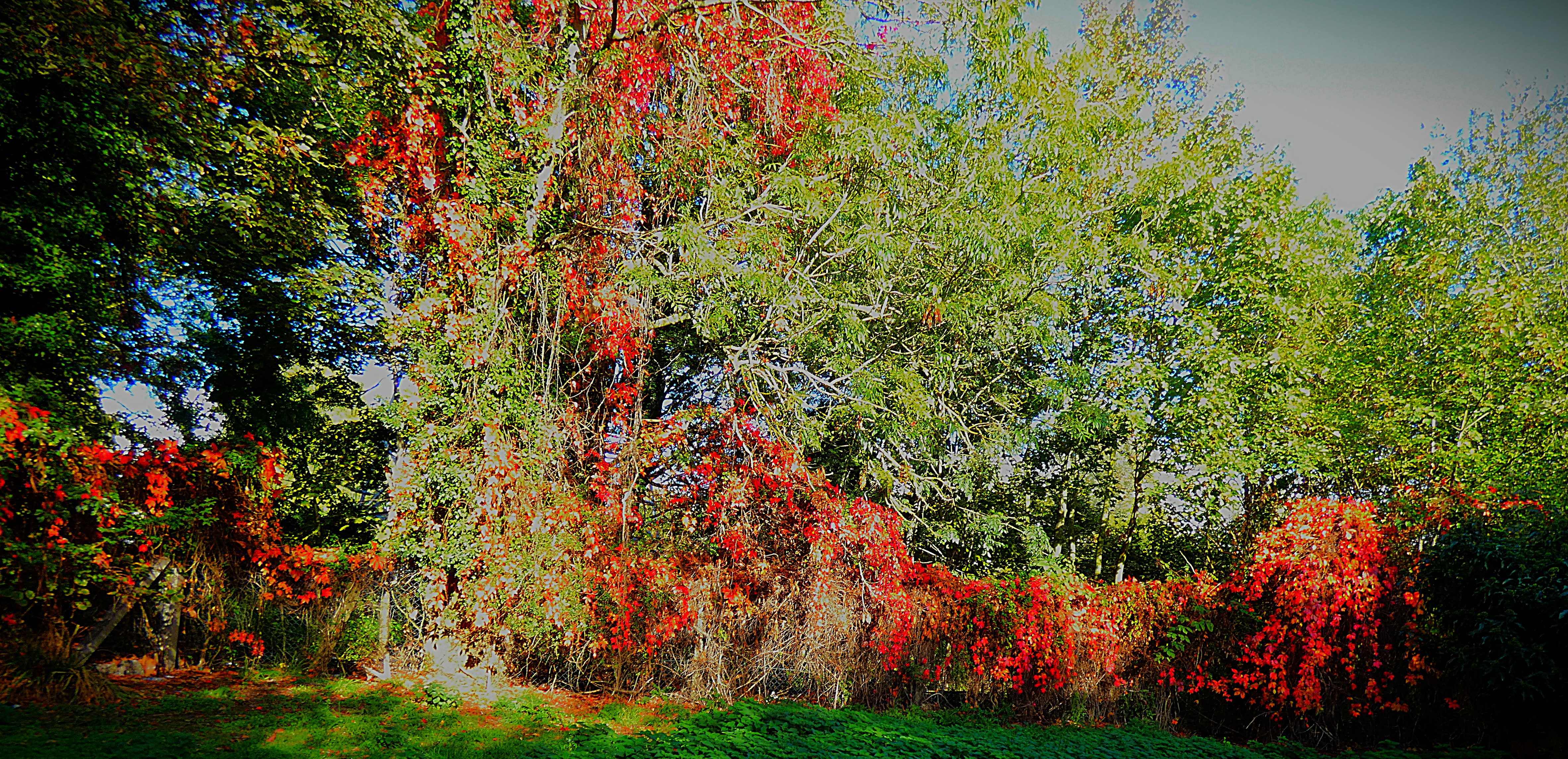
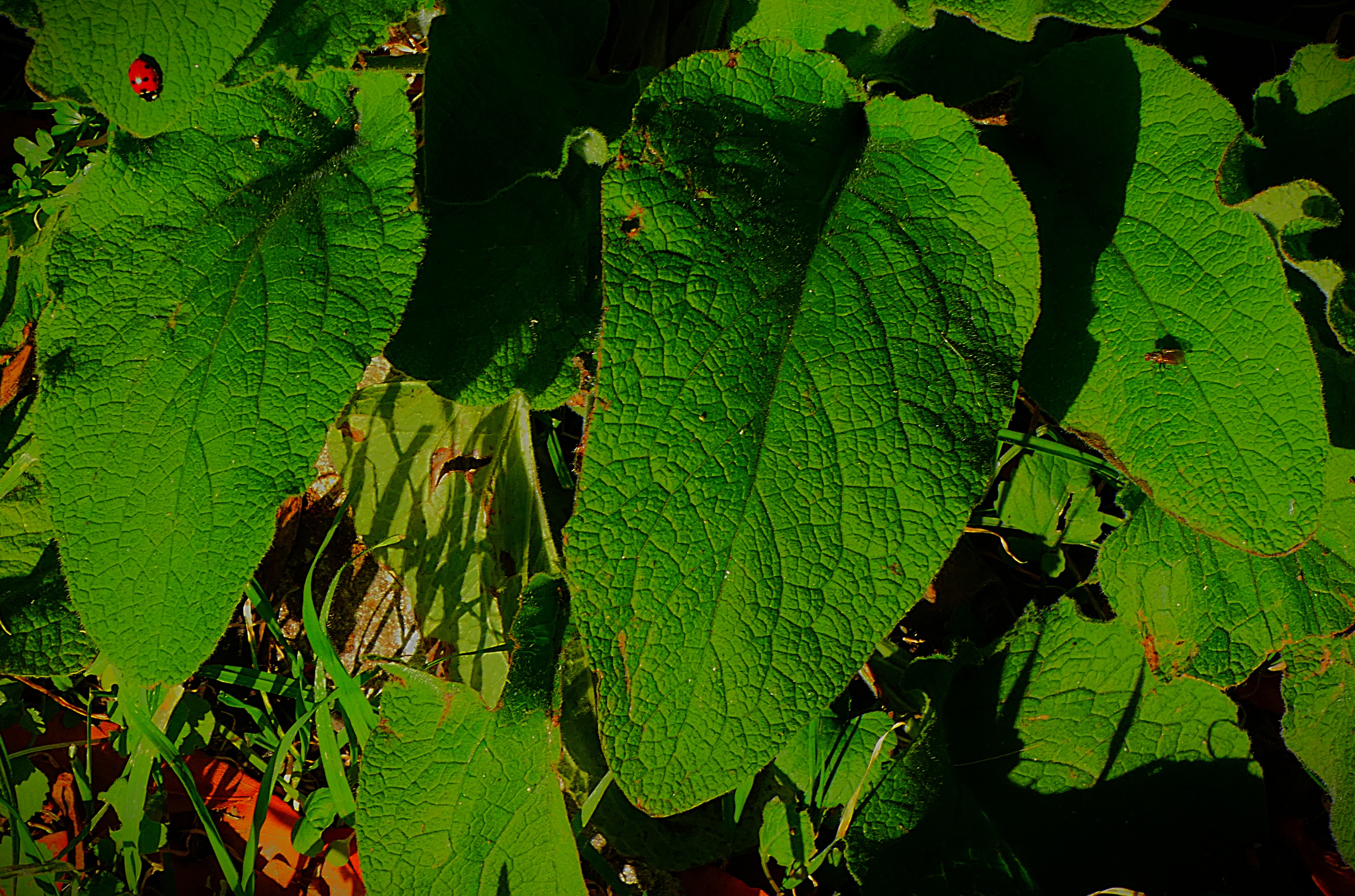
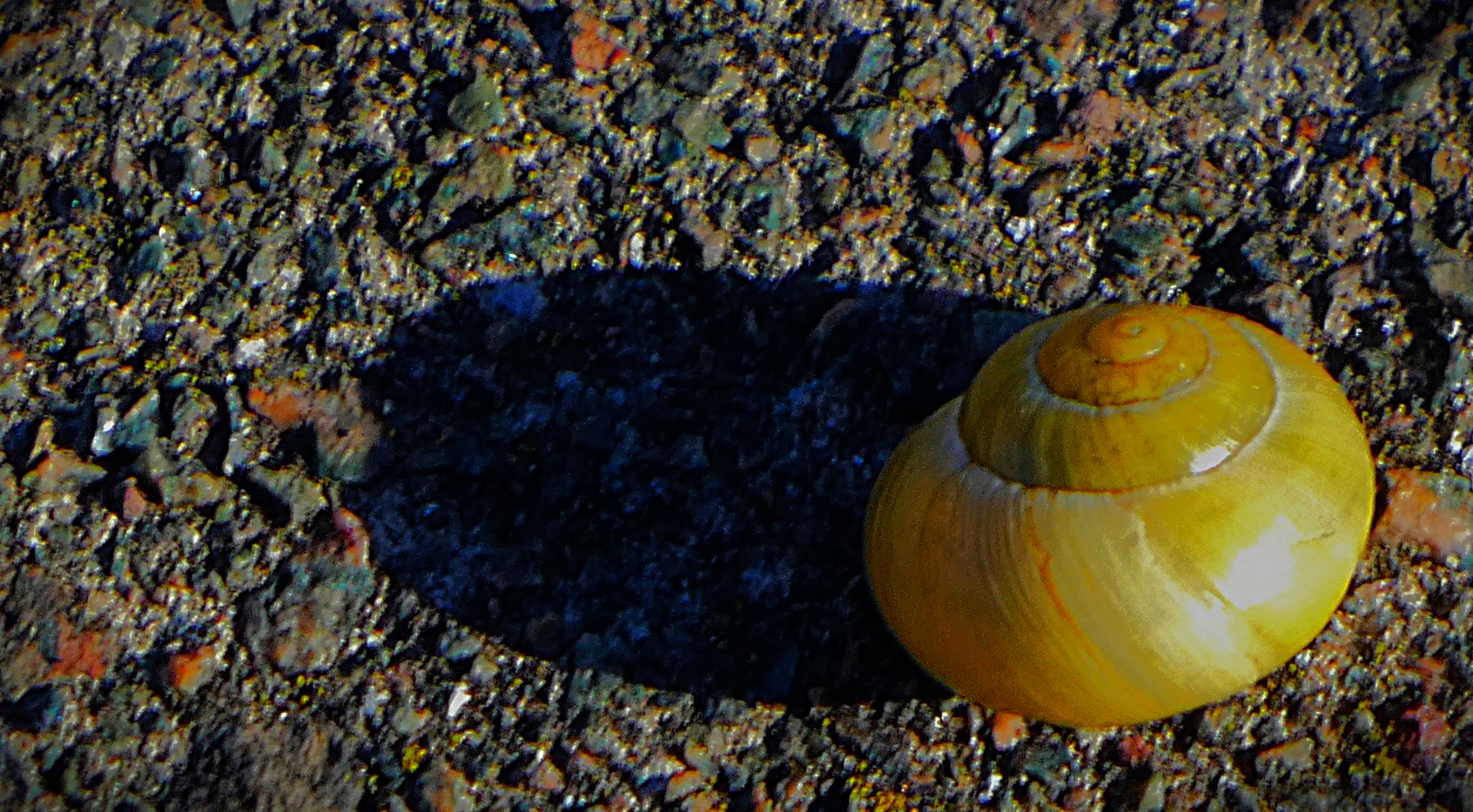
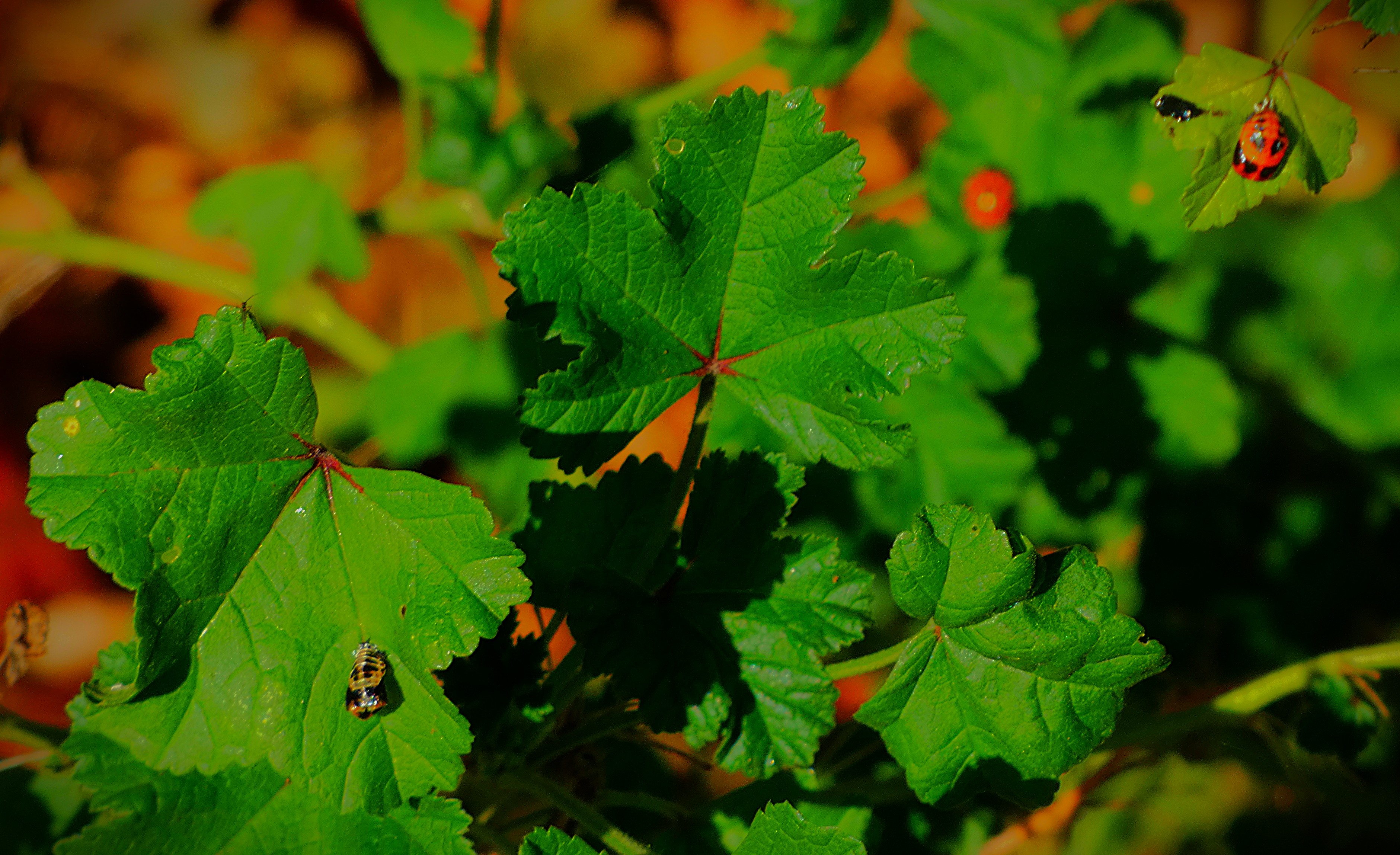
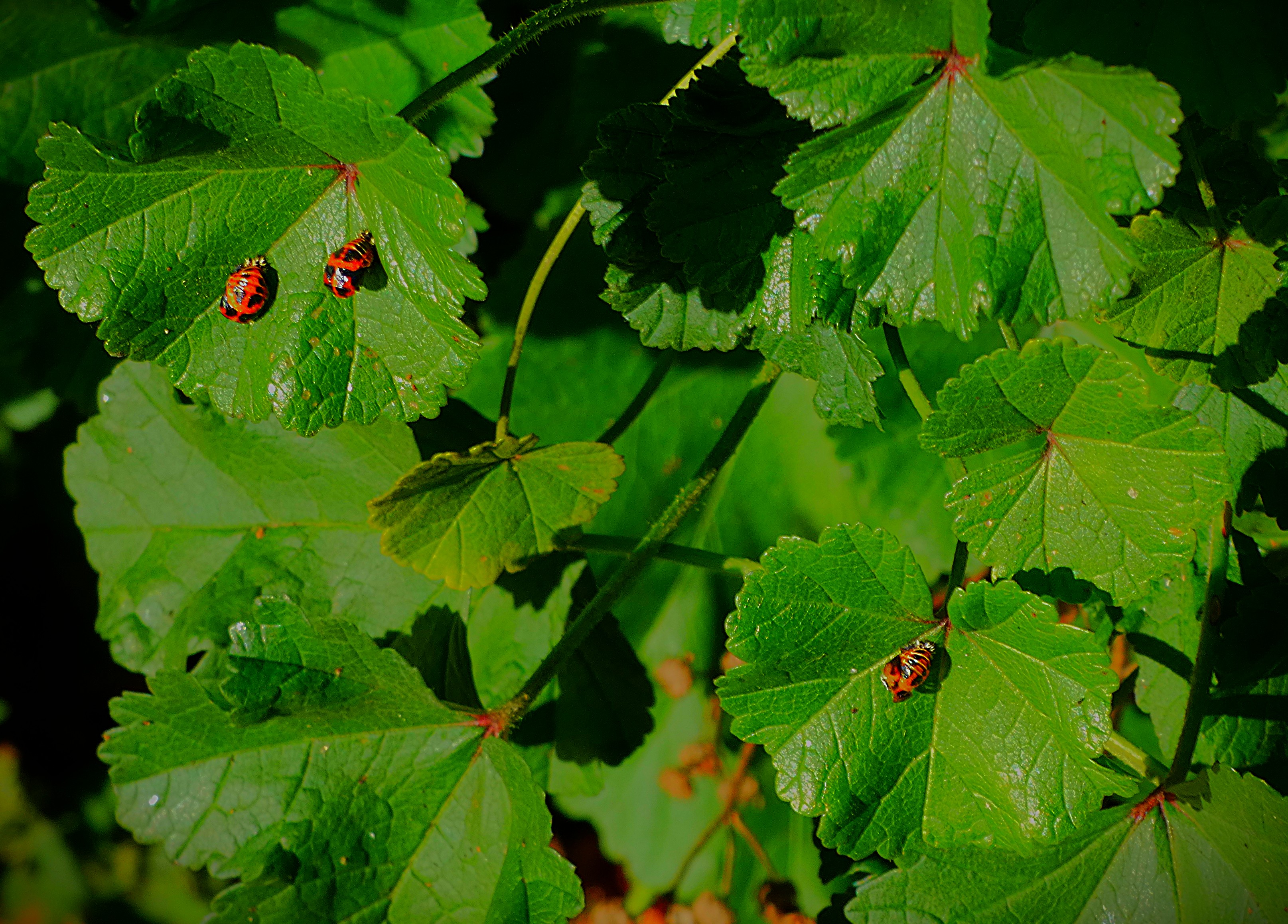
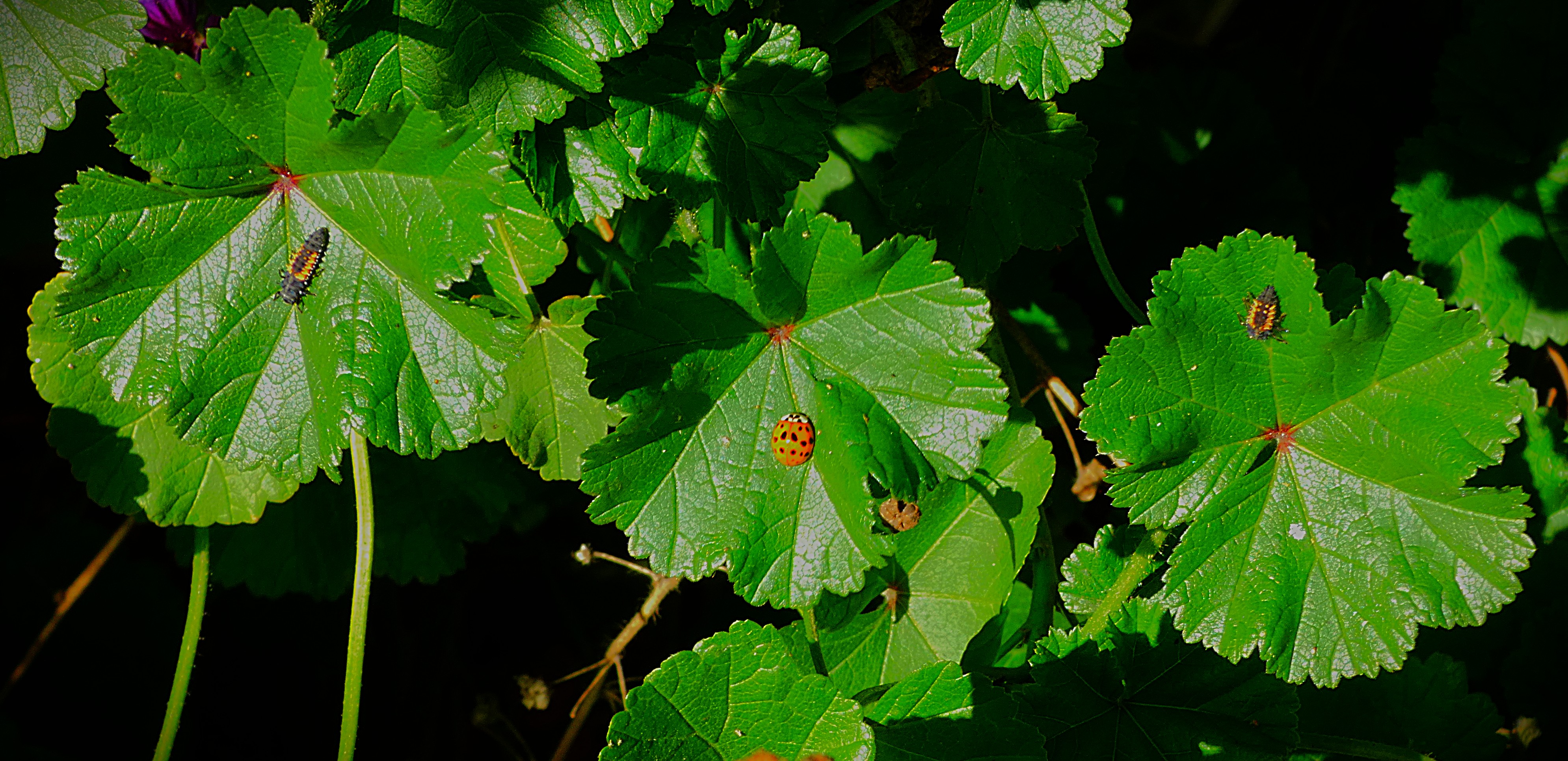
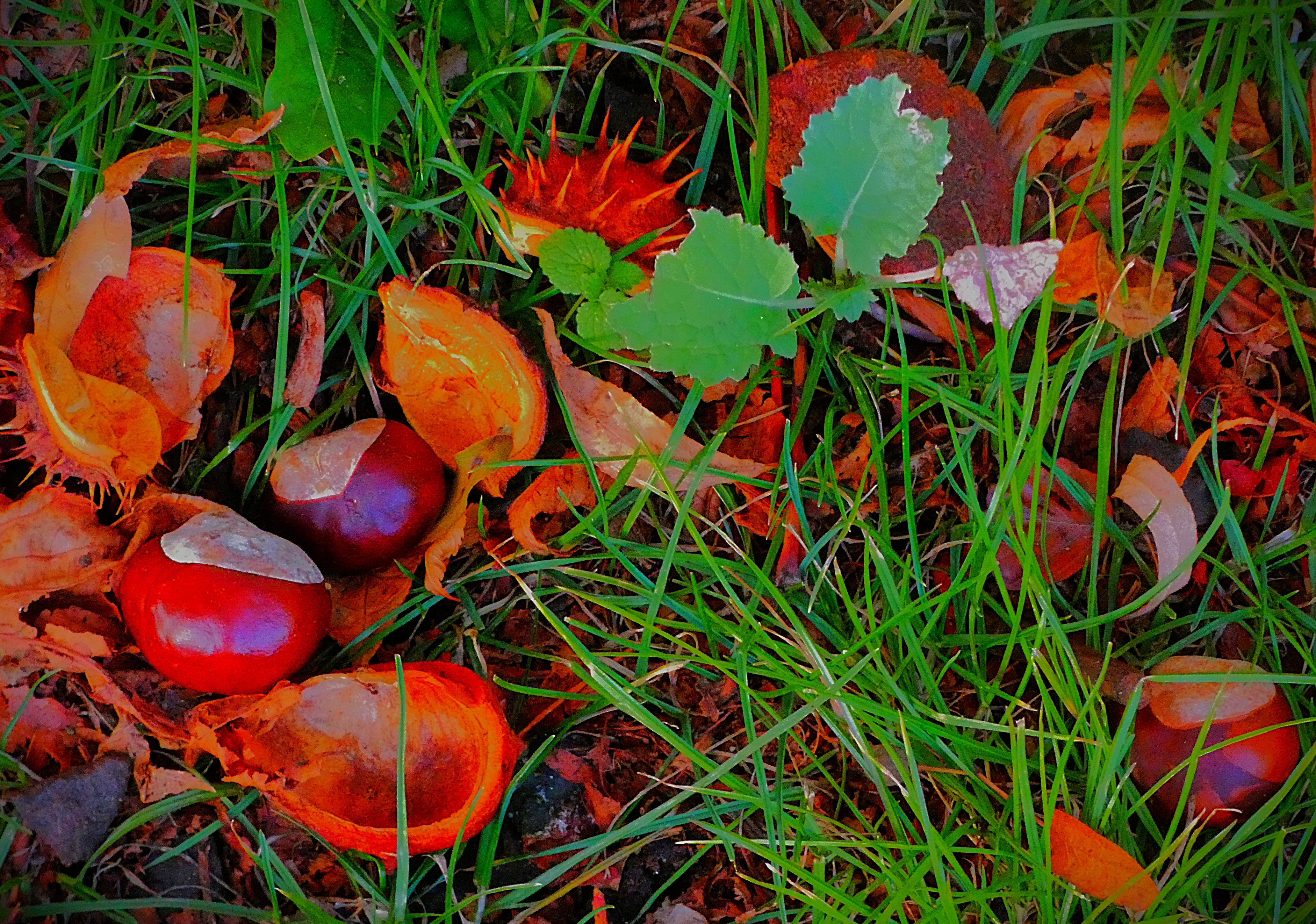
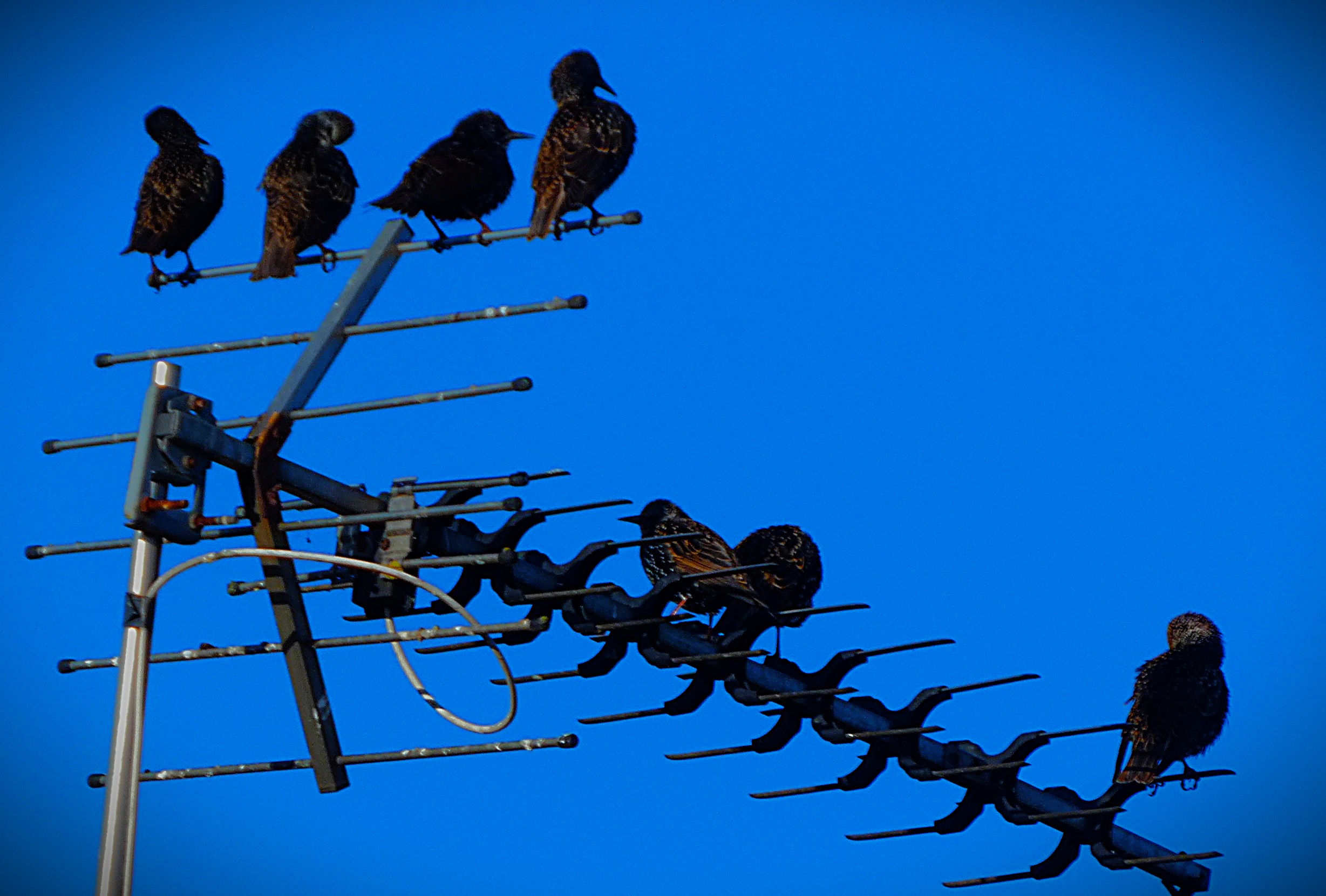
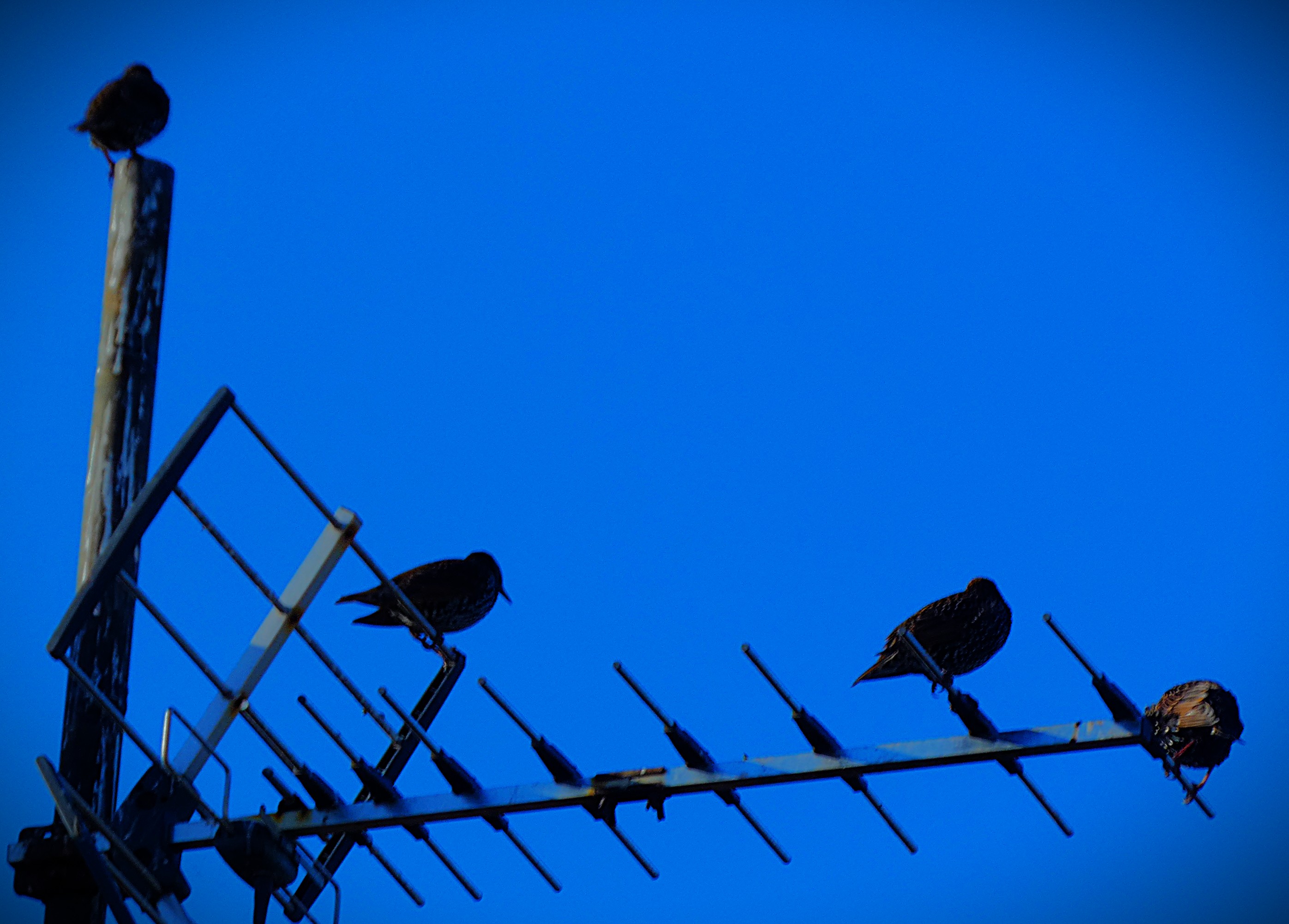
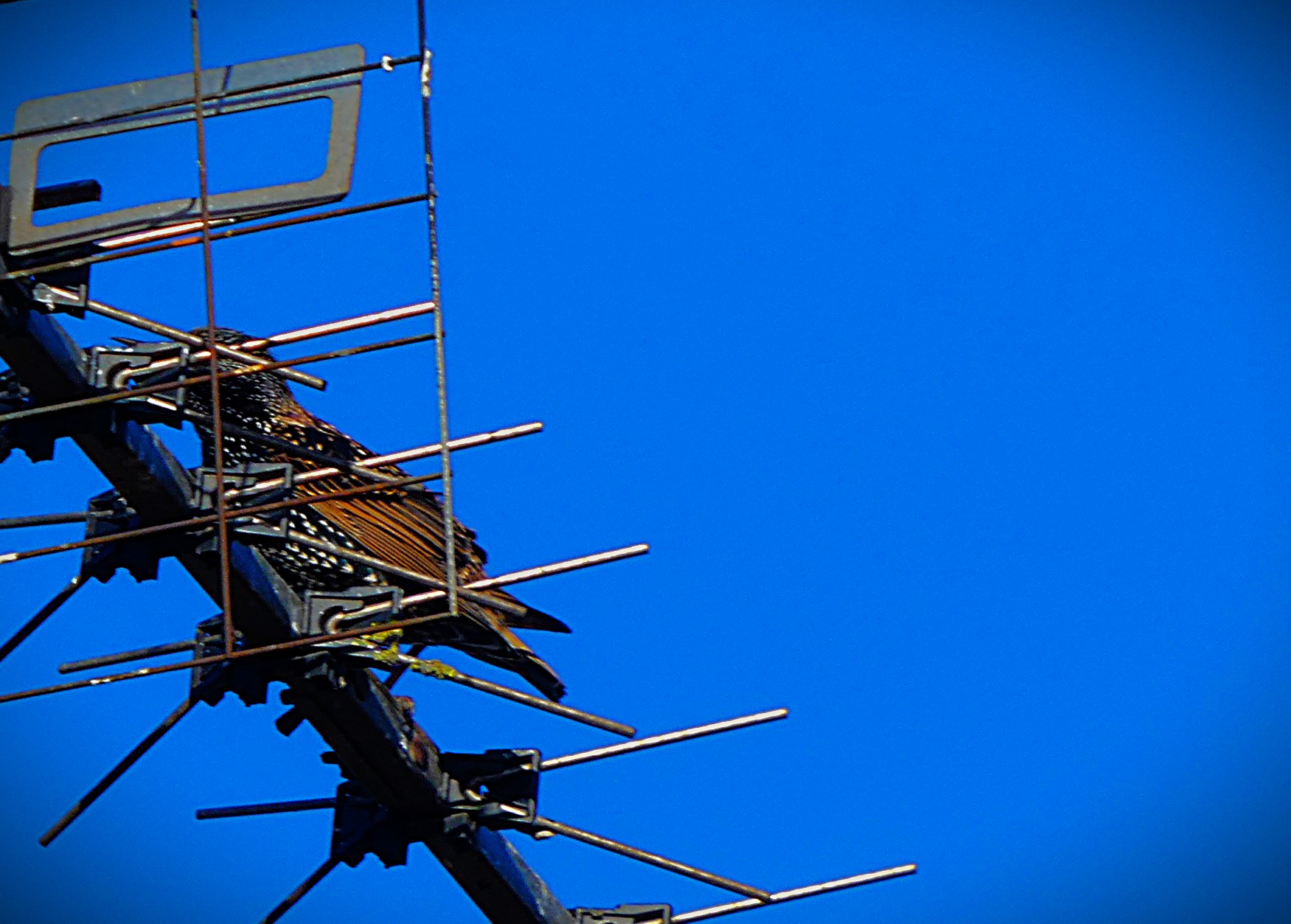
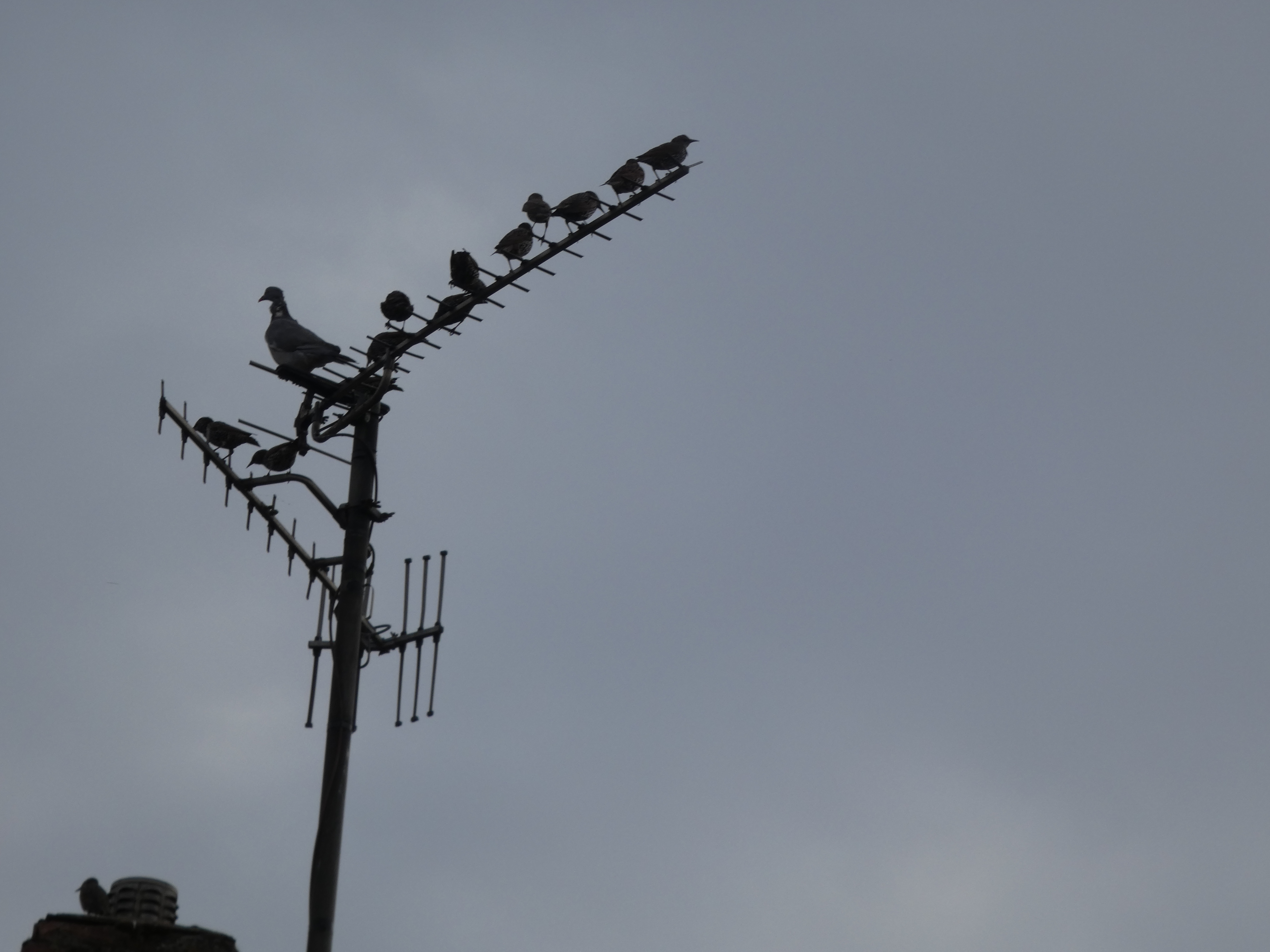
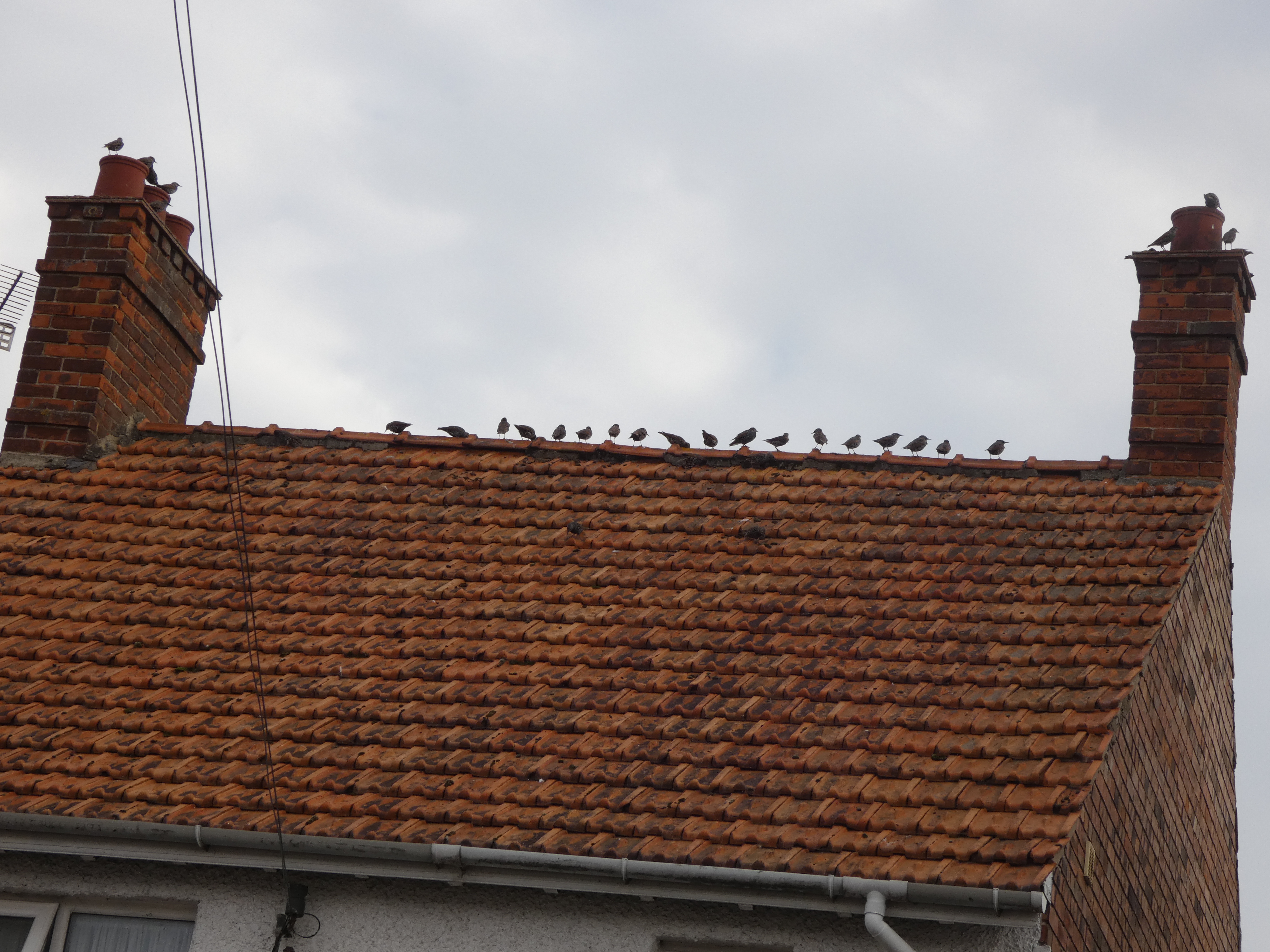
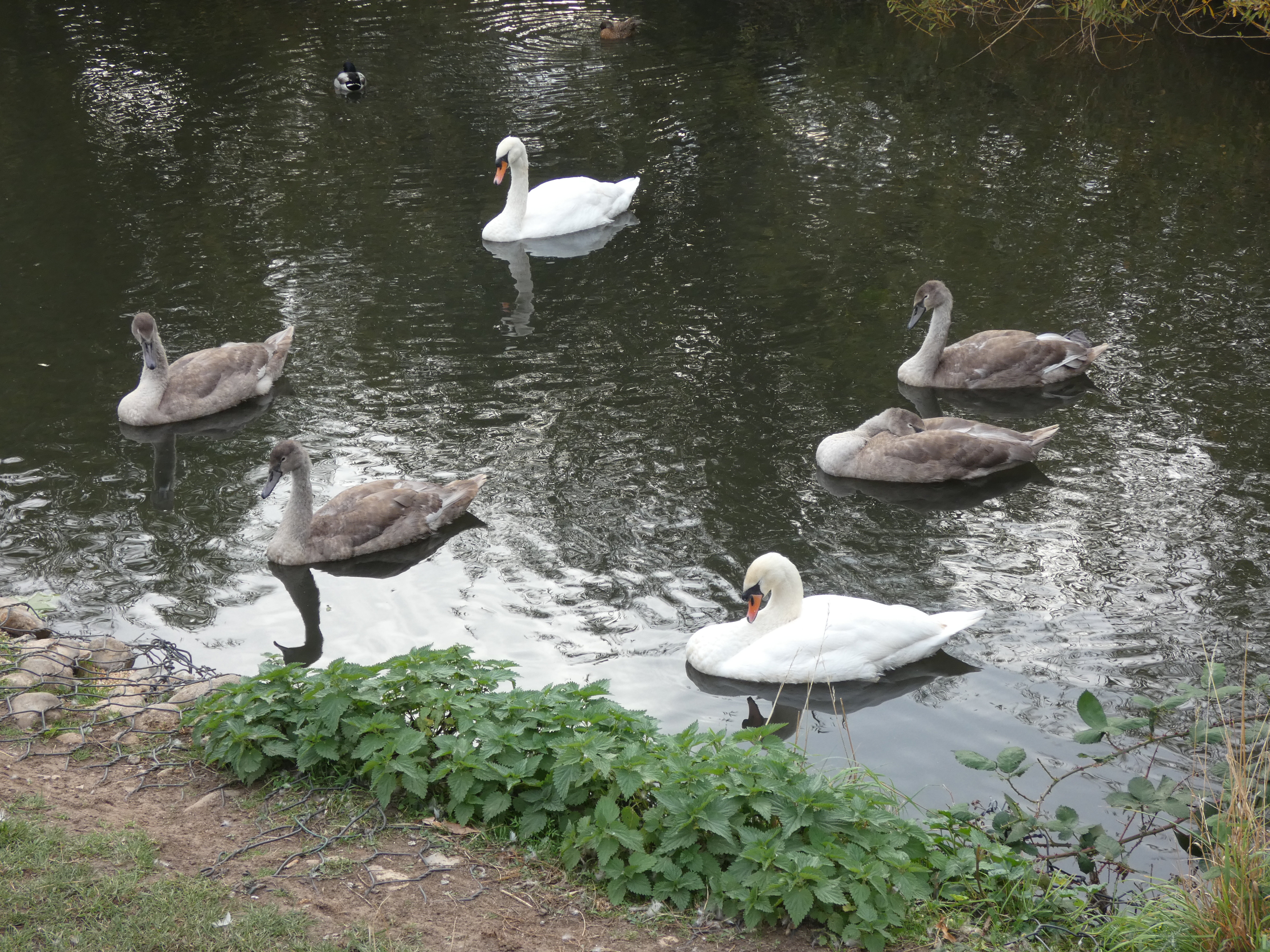
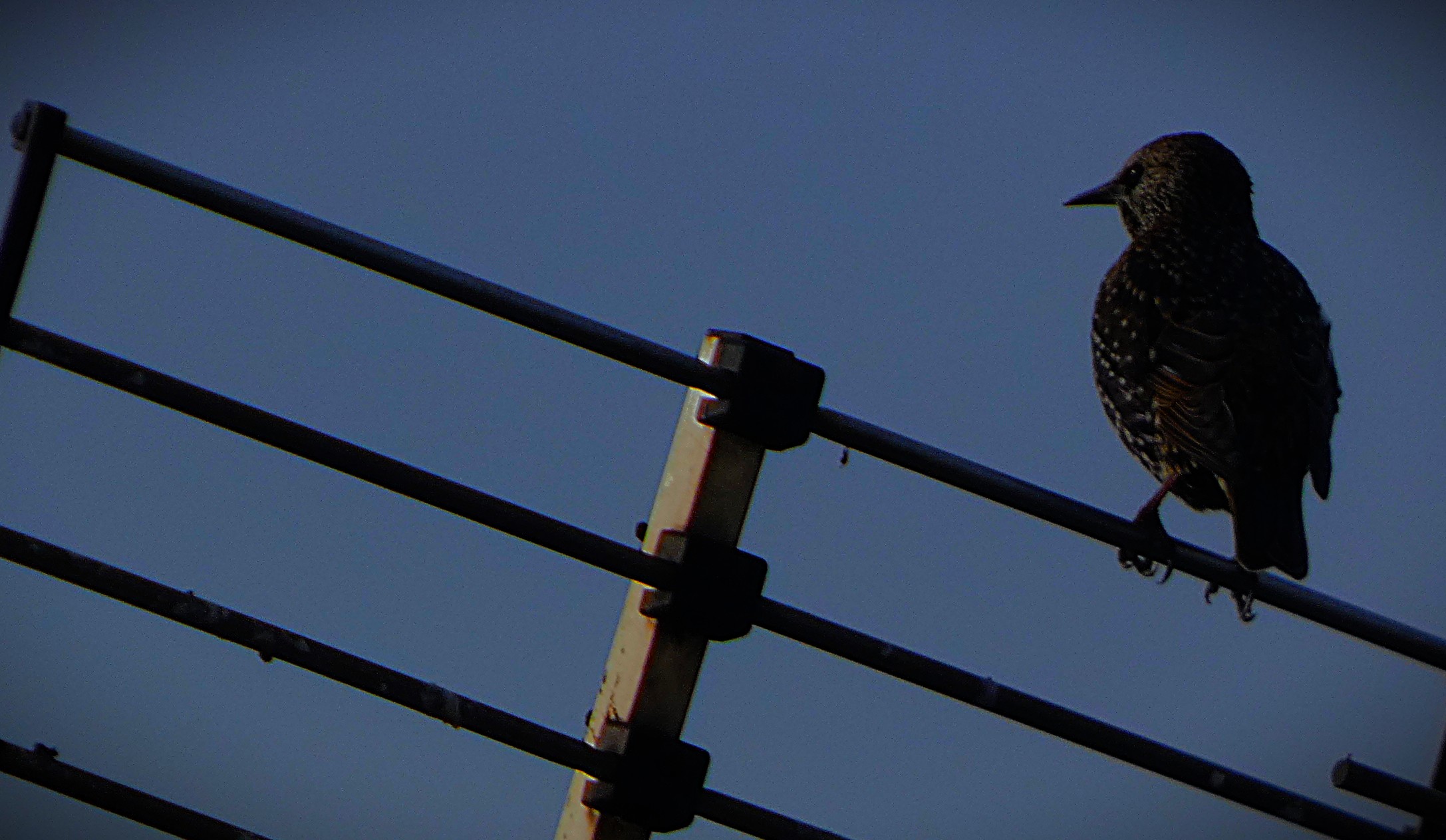
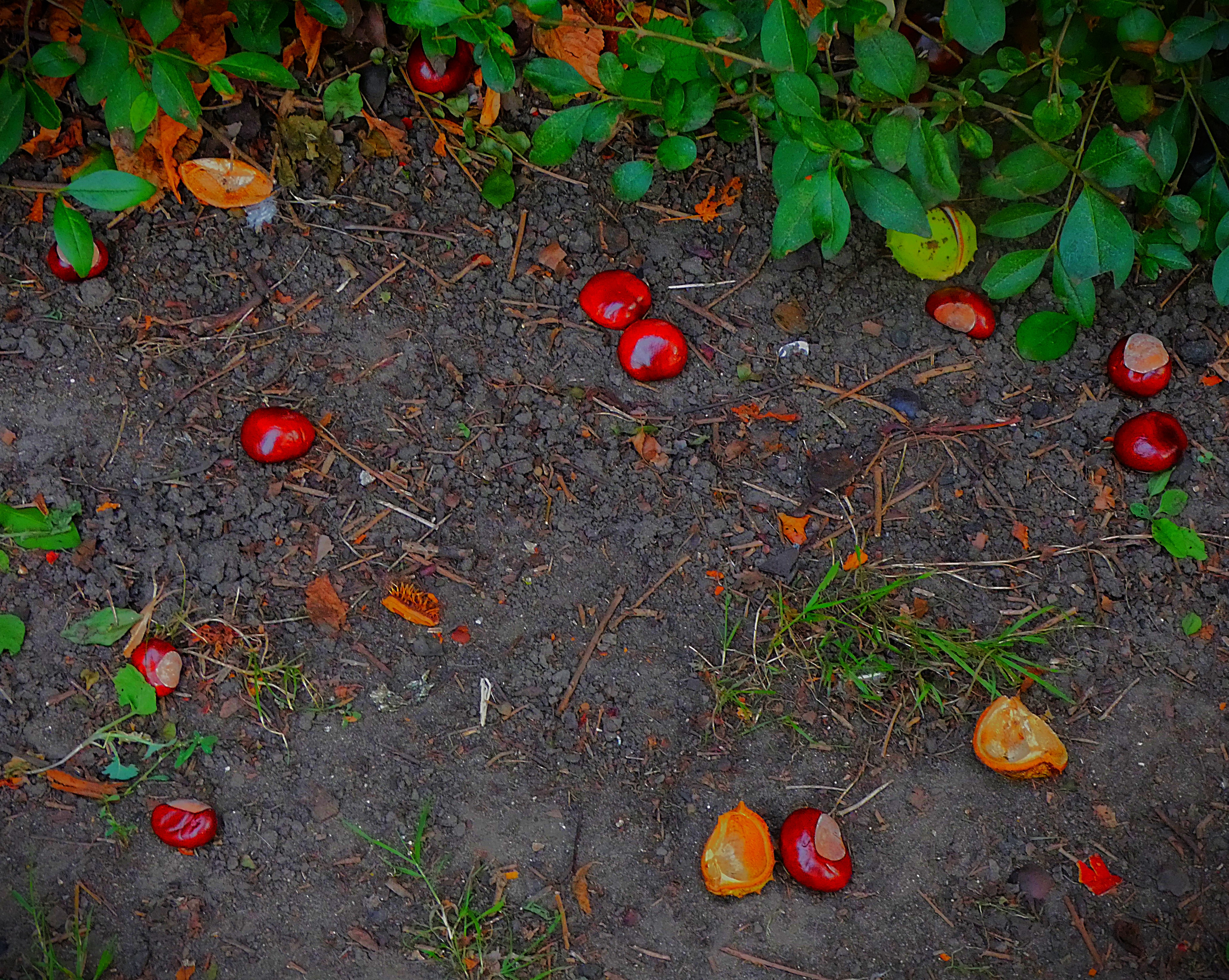
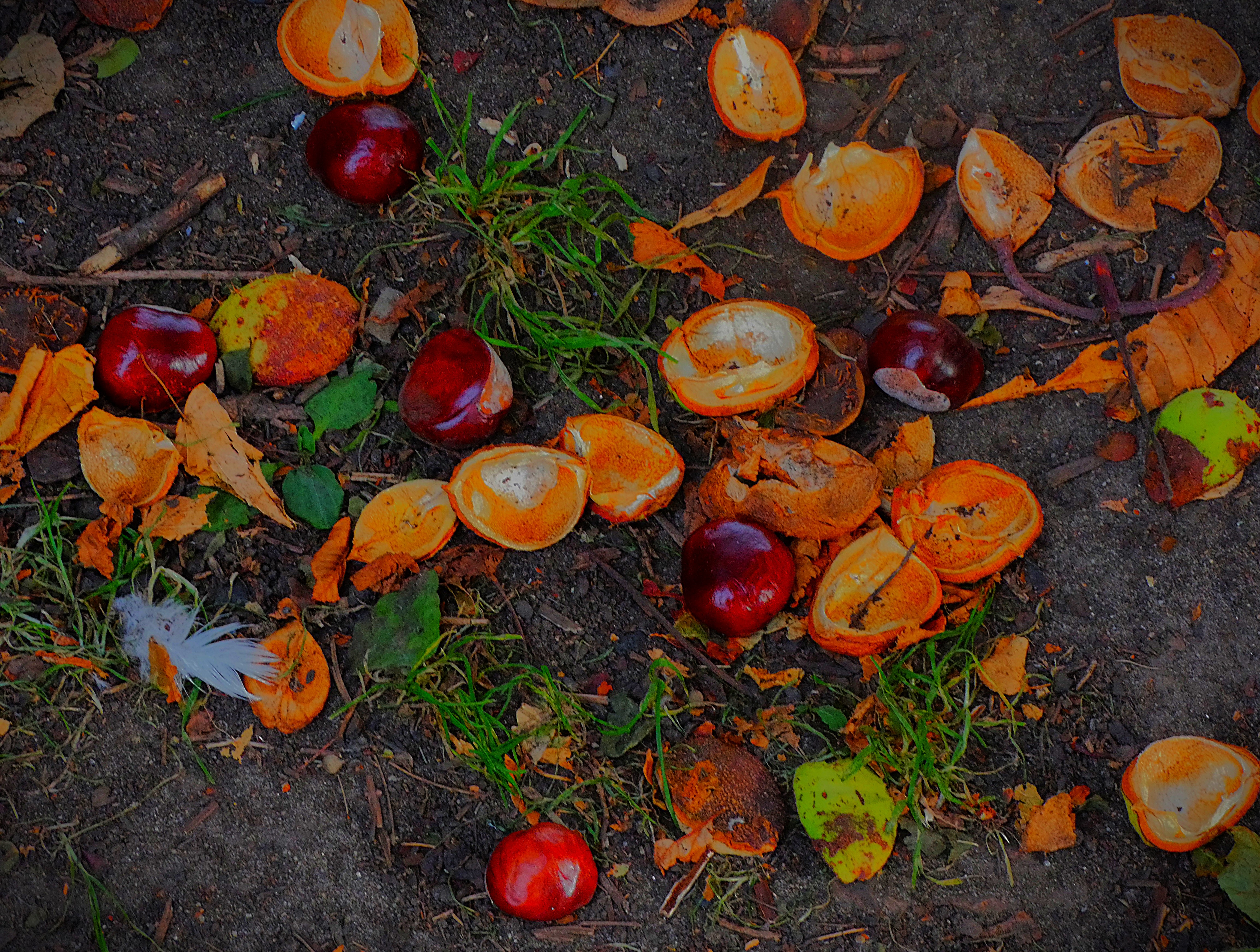
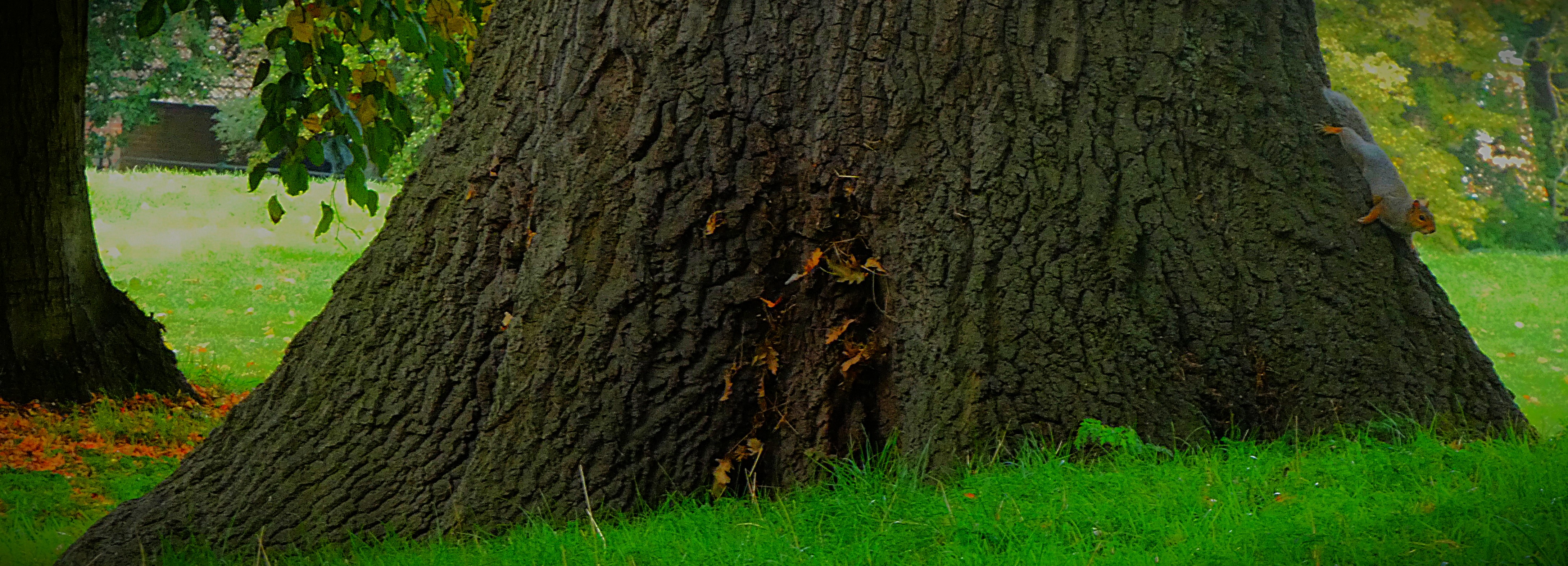
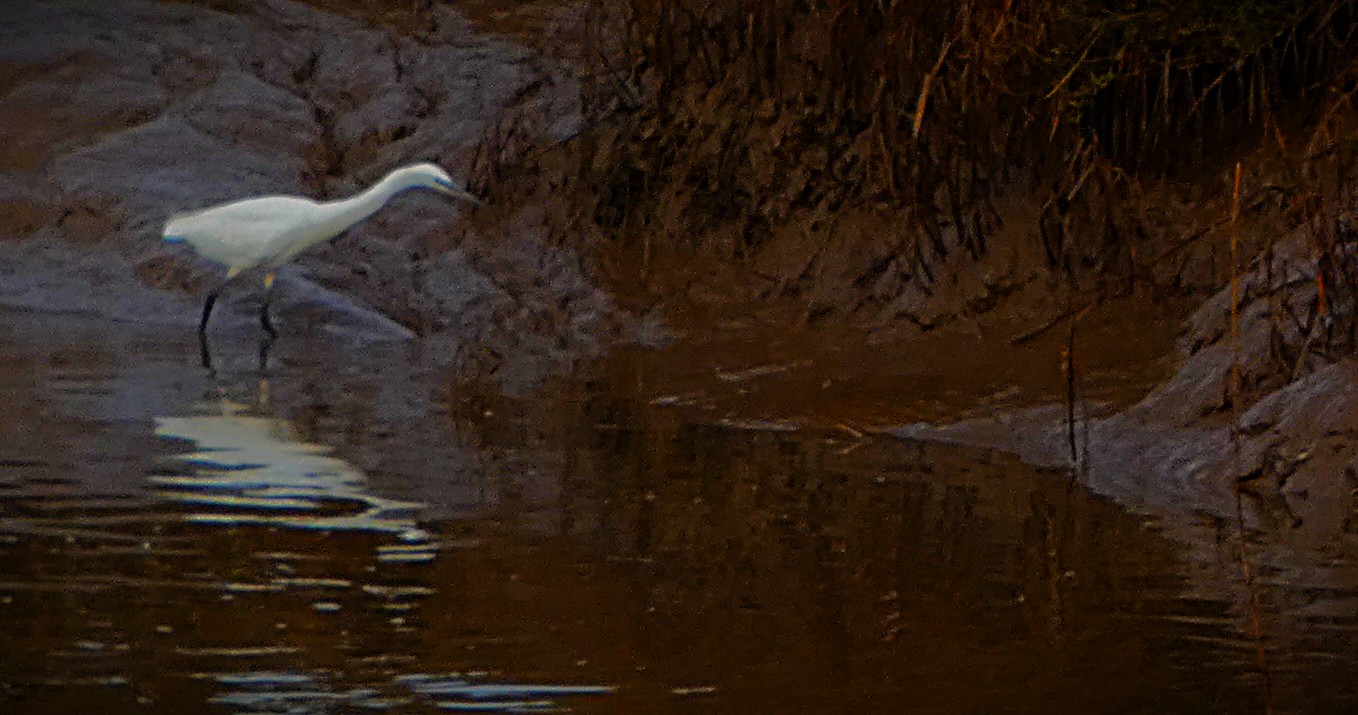
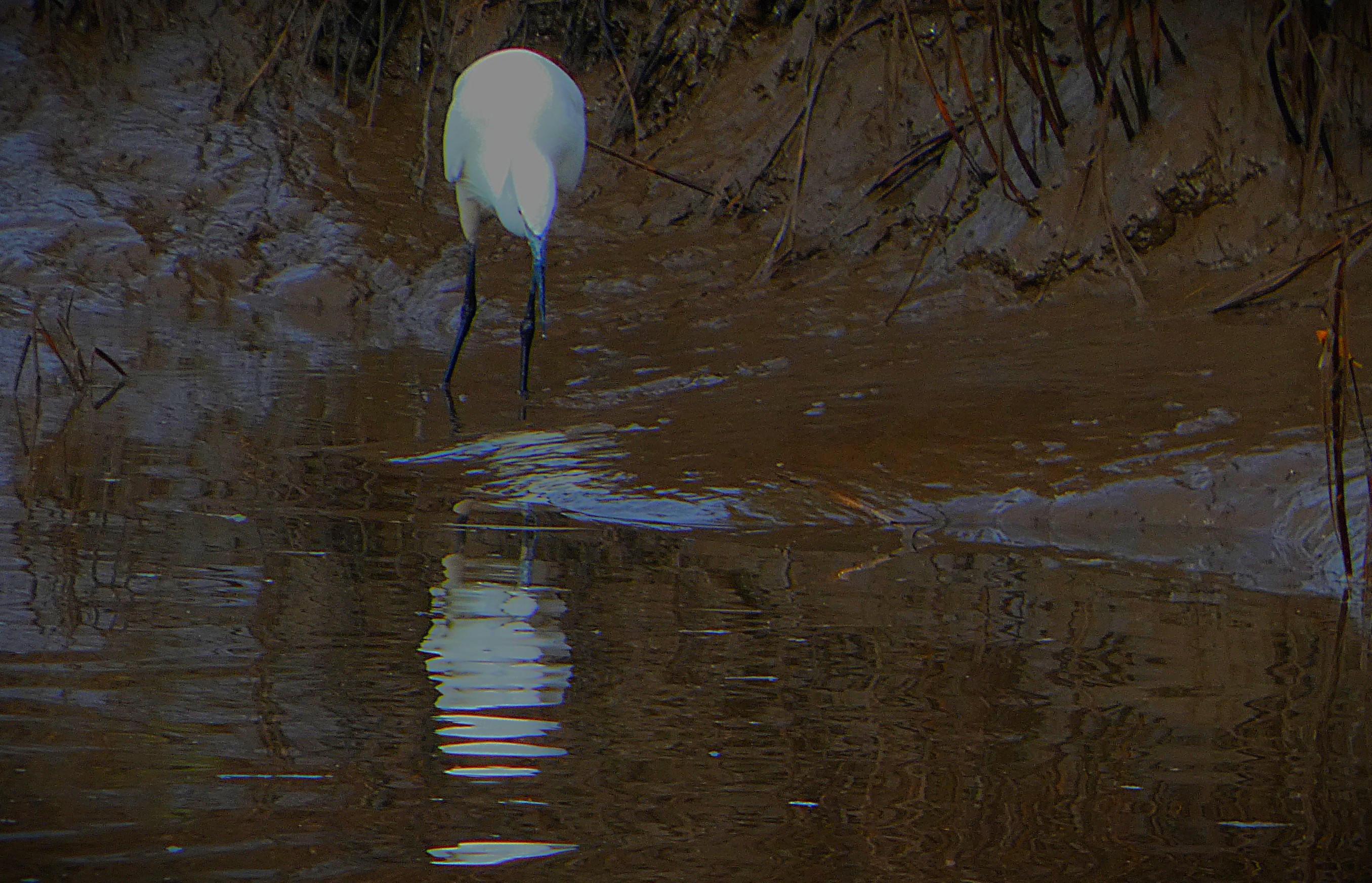
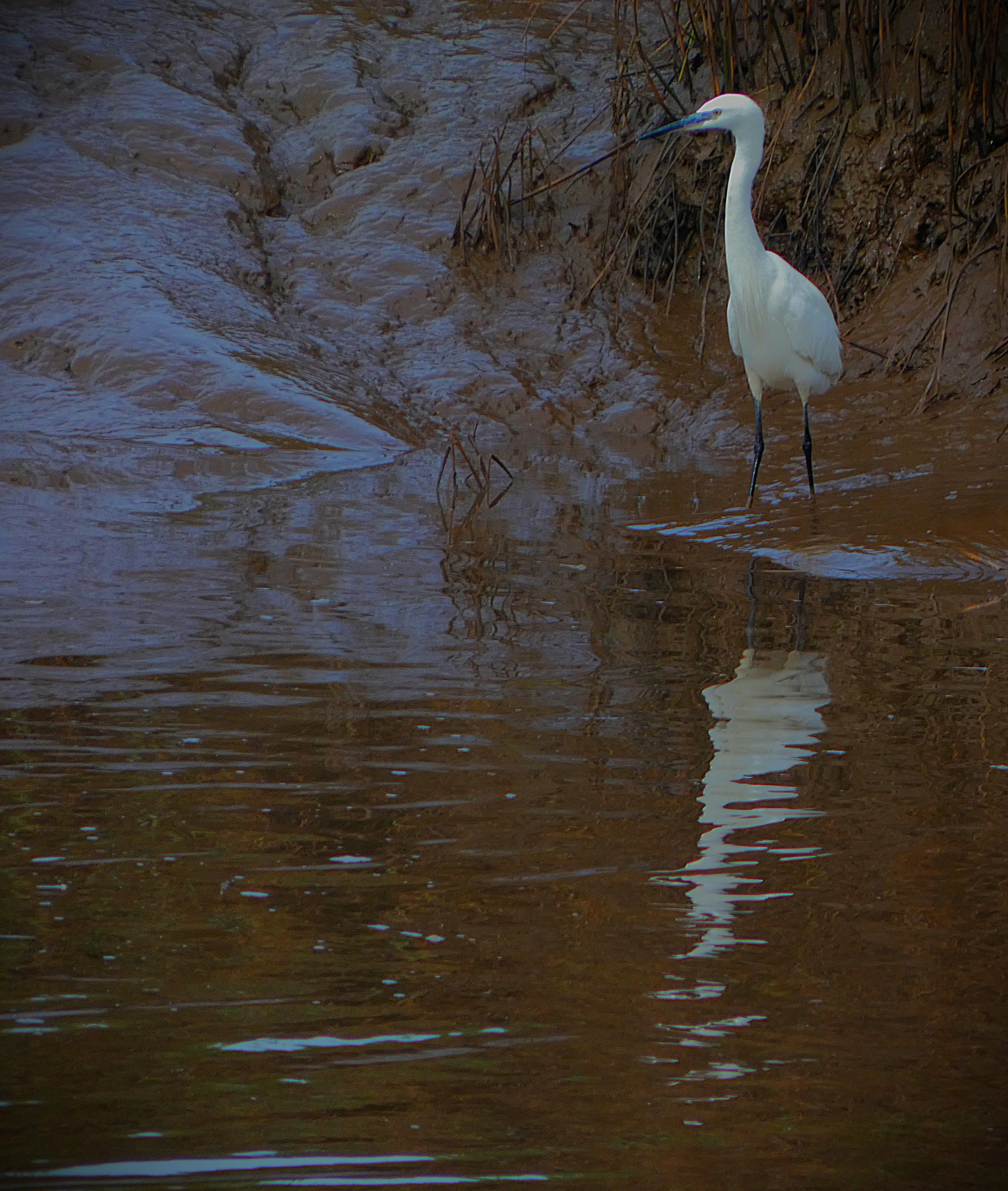
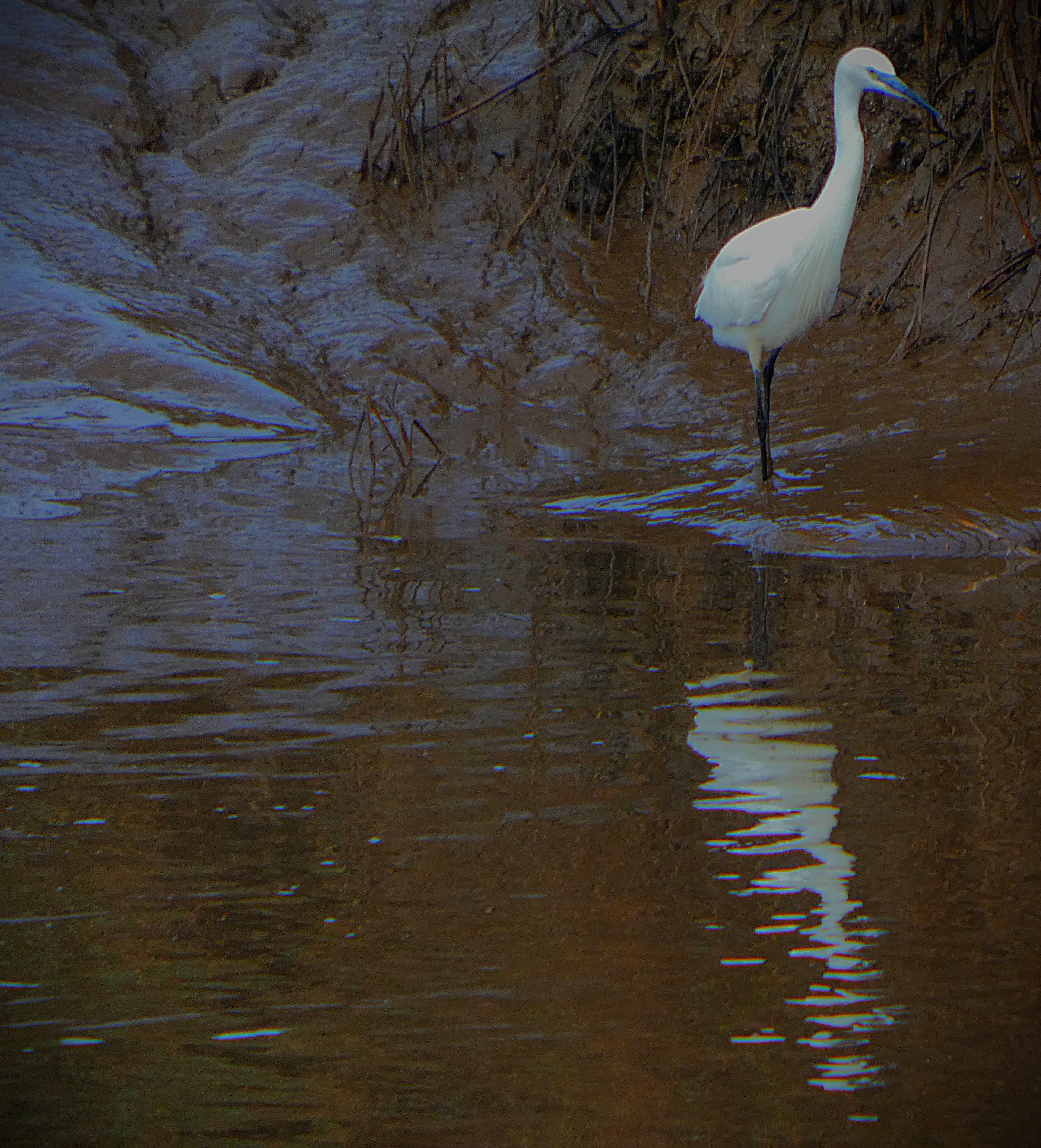
While I have been concentrating for blogging purposes on my Scottish holiday it has been a splendid time for photography, and the gallery I now present is a highlights package spanning most of the period from 7th June, my first day back from holiday, to the present (reminder that photos can be seen at full size by clicking on them)…

Arisaig 2026 25: Homeward Bound – York to Home

The final post in my series about my Scottish holiday, detailing the final stages of my return journey.

Welcome to the final instalment in my series about my Scottish holiday (May 30th to June 6th). The last post ended on a cliff hanger, with my train from Edinburgh arriving into York with the onward connection (on which I had a booked seat in which I had to be sitting for my ticket to be valid) looking decided iffy.

By the time the train from Edinburgh pulled into York my next train was already waiting at its platform. I made it over the bridge linking the platforms as swiftly as I was able and boarded the train at the rear (Coach A) to walk along inside it to find my booked seat (in Coach H). I had made it, but it had been a near thing indeed – the train was in motion before I was even halfway from coach A to coach H. It arrived at my next change point of Grantham in accordance with the schedule.

A quick check of departure information at Grantham revealed that a)the next train I was booked on, as far as Peterborough was running to time and b)I had no need to worry about missing this connection. This meant that barring anything super calamitous I had no further worries at all, since so long as I got as far as Peterborough I had a Plan B available – there is a long distance bus route between Peterborough and Norwich, and since the company that operates this route has its depot in King’s Lynn the last services of the night tend to terminate there, and in this case there was if all else failed a service leaving Peterborough at 22:45 and arriving at King’s Lynn bang on midnight. Thus it was with feelings of relief that I proceeded to look for points of interest at Grantham Station, of which there are more than a few. Grantham is (in my book) noteworthy for three reasons: Isaac Newton, one of the greatest of all scientists, hailed from these parts; it was just south of this station that The Mallard achieved a speed of 126 miles per hour, the fastest ever attained by steam locomotion, and it is the home of the Woodland Trust. Newton does not get any coverage at Grantham Station, but the Mallard most certainly does.

The train I was booked on as far as Peterborough arrived when it was supposed to and got the Peterborough on schedule, and the next train I had to get, from Peterborough to Ely was prompt enough that I had a bit of a wait at Ely for my last connection on to King’s Lynn. There had been a major festivity taking place in Cambridge that day, so the last stage of my journey home was noisy due to homeward bound revellers. However this train ran to time as well, ending a public transport odyssey that involved seven separate trains (Arisaig to Glasgow, Glasgow to Edinburgh, Edinburgh to York, York to Grantham, Grantham to Peterborough, Peterborough to Ely and Ely to King’s Lynn) and lasted somewhat over 12 hours. The walk back to my home in North Lynn was never going to be a problem, even carrying holiday baggage, it was just before 11PM that I got home.

Here are the photographs from this last stage of my return journey…
Arisaig 2026 24: Homeward Bound – Glasgow to York

Continuing my account of my Scottish holiday with another segment of the return journey, ending on a bit of a cliff hanger. There are plenty of photographs.

Welcome to the latest instalment in my series about my Scottish holiday (May 30th to June 6th). We continue with the homeward journey.

To set the stage for the rest of this series I need to explain a bit about the intermediate stages of my return journey. For reasons that I did not originally understand but became apparent during the journey I was booked on three different services for various stages of the journey from Edinburgh to Peterborough:

  1. Edinburgh to York (this service was running non-stop from York to King’s Cross)
  2. York to Grantham (Grantham was the only the intermediate stop between York and King’s Cross on this service)
  3. Grantham to Peterborough

The above while a little annoying should not have caused any problems…
We were not vouchsafed platform information regarding the train from Glasgow Queen Street to Edinburgh Waverley until five minutes before departure time, which meant a bit of haste was required to make sure of boarding it. However it arrived in Edinburgh with plenty of time for me to make the interchange to the first of the trains on which I had a seat in which I had to sit for my ticket to be valid. At that point I was pleased with how the journey was going rather than the reverse. However we had a long slow haul caused by trespassers on the track, and the necessity for the driver to go slow so as to avoid hitting them, and by the time we were approaching York making the connection to the my next train was looking decidedly dicey…

Here are the pictures I took between Glasgow and York…
Arisaig 2026 23: Homeward Bound – Bridge of Orchy to Glasgow

Continuing my account of my Scottish holiday with another segment of the return journey.

Welcome to the antepenultimate instalment in my series about my holiday in Scotland.

My previous post took us as far as Bridge of Orchy. Two stops after Bridge of Orchy we got to Crianlarich, the point at which the train from Oban joined ours for the run on to Glasgow. It is also a transition point in another way – after Crianlarich photo worthy sights get rarer. For this, and one other reason the remaining posts in this series cover much greater distances than has been the case with the first few dealing with this return journey.

Here are the photographs for this section of the journey…

Arisaig 2026 22: Homeward Bound – Corrour to Bridge of Orchy

Continuing my account of my Scottish holiday with the next segment of my return journey

Welcome to the latest instalment in my series about my Scottish holiday.

This section of the journey initially featured the expanse of Rannoch Moor, and then featured some other fine Scottish scenery. The journey continued to progress smoothly with the only stops being at stations (it is only beyond Crianlarich, where the train from Oban would join this one, that this service does not stop at every station).

Here are the photographs for this part of the journey…

Arisaig 2026 21: Homeward Bound – Neptune’s Staircase to Corrour

Continuing my account of my Scottish holiday with the next segment of the return journey.

Welcome to the latest instalment in my series about my holiday in Scotland (May 30th to June 6th).

As mentioned in the previous post Neptune’s Staircase is close to Banavie station. After Banavie the next station, and the only major one we passed during the period covered by this post was Fort William. We had a short wait at Fort William before moving on. Corrour is a very remote station, in the wilds of Rannoch Moor.

Here are the photographs that relate to this section of the route…

Arisaig 2026 20: Homeward Bound – Glenfinnan Viaduct to Neptune’s Staircase

Continuing my account of my homeward journey from my Scottish holiday, taking things as far as Neptune’s Staircase.

Welcome to the latest instalment in my series about my return journey. I covered as far as Glenfinnan Viaduct last time.

I took many photos on this journey, which has led me to break it into multiple posts, using either landmarks or stations as appropriate as dividers. This post is still exclusively related to the Arisaig to Glasgow leg of the journey, with Neptune’s Staircase being an arrangement of locks not far from Banavie Station, which is the last station stop before Fort William if travelling east. The journey continued to run smoothly between these points.

Here are the photographs that relate to this post…

Arisaig 2026 19: The Homeward Journey as Far as Glenfinnan Viaduct

Continuing my account of my Scottish holiday with first of a number of posts about the return journey to Norfolk.

Welcome to the latest instalment in my series about my Scottish Holiday (May 30th to June 6th). This post starts the story of my journey back to Norfolk.

I started my packing on the Friday night, and rose early on the Saturday morning to complete the job. The journey started with the 10:27 from Arisaig, and I had about 45 minutes to kill at the station, as my parents needed to start their own journey a little bit earlier. The weather was reasonable, so I did not need to make use of the waiting room. I was not quite the only one boarding this train at Arisaig, but finding a seat was not a problem. I was due to be on this train all the way to Glasgow where it terminated, which meant that for a few hours at least I was able to relax and enjoy the scenery.

Here the photographs I got up to the Glenfinnan Viaduct, which to remind you is east of Glenfinnan station…